
What a Montana Designer Brings That Pinterest Can't
By Chanda Wahl, Designer Interiors
You can get inspiration from anywhere. But a second home in Montana asks for things the internet can't see.

Climate and Light
Montana light is sharp and high. Winters are long. Mud and snow are part of daily life.
A designer experienced in montana home design knows:
How high-altitude sun will treat your fabrics, floors, and art
Which materials can tolerate snow, grit, and dogs without constant worry
How to layer lighting so living spaces feel warm in January, not just photogenic in July
Second-Home Rhythms
Designing for a primary residence is not the same as designing for a retreat you visit a handful of times a year.
A locally based designer understands:
Guests, caretakers, and cleaners will use this house without you there
Turnovers between visits need to be simple
The mudroom, great room, and guest spaces matter more than anywhere else
That's where rustic interiors and mountain modern interior design become practical, not just decorative.
Local Network and Context
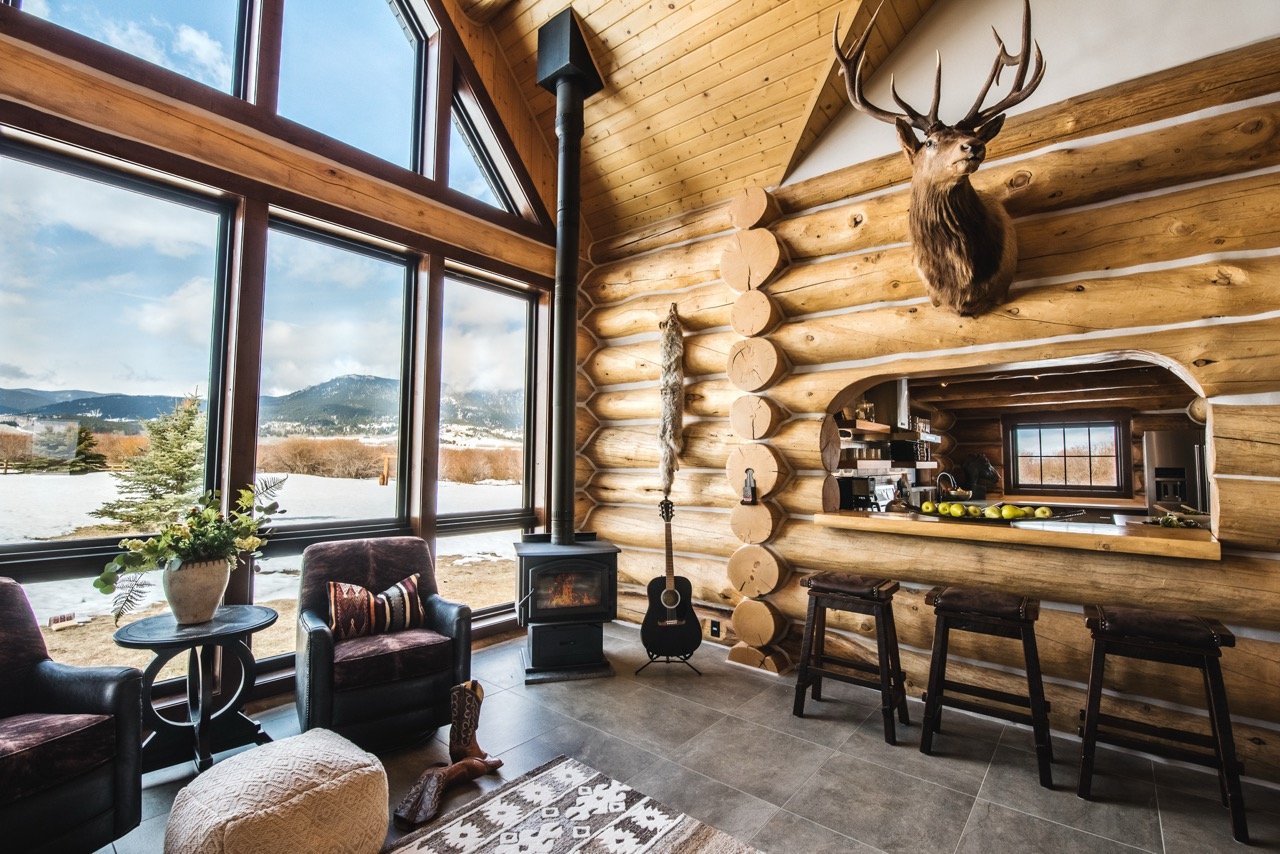
A designer who lives and works here:
Knows which local makers, trades, and suppliers are worth investing in
Understands how other high-end second homes in your area are actually built and used
Has seen what fails after two winters and what still looks good after ten
Pinterest can't tell you whether that beautiful floor will survive your snow boots. A good Montana designer can.
Questions to Ask If You Own a Montana Second Home
Once you've clarified what you want this home to do for you, it's time to talk to designers. Here are a few questions I'd ask, and what you want to listen for.
“Tell me about a Montana second-home project you've done. What changed for that family?"
You're looking for stories about:
How the house felt and functioned before
What specific decisions were made (storage, lighting, layout, materials)
How life in the house felt after
If all you hear is "we updated the look," keep digging.
“How do you design for when we're not here?"
A strong answer might mention:
Durable, forgiving materials
Clear reset systems for guests and caretakers
Bunk rooms and guest suites that are easy to understand and maintain
Entries and mudrooms that protect the rest of the house
If the answer is mostly about weekly styling or constant hands-on adjustments from you, that's a red flag for a second-home project.
“How do you work with builders and GCs?"
You want to hear about:
Being involved early enough to influence lighting, storage, and furniture-friendly layouts
Clear communication: who makes which decisions, how changes are handled
Respect for the builder's process and schedule
Designers who understand how modern rustic interiors in Montana are built, not just staged, are simpler for you and your contractor.

Why Builders and Designers Are Better Together (and Why You Benefit)
From your perspective, bringing in a designer is about getting a home that feels right sooner.
From your builder's perspective, a good design partner means:
Fewer "Can we move this now that we've lived in it?" calls
Fewer piecemeal changes that compromise otherwise beautiful work
Better project photography and sharing when the project is complete
When interior designers Montana builders trust are involved early, everyone's job gets clearer:
The builder owns the structure, envelope, and performance of the house.
The designer plans how it's used: the daily flow, storage, comfort, and Western character.
You aren't stuck in the middle juggling every decision.
If you already have a builder you like, ask them:
"Is there a designer you enjoy partnering with on second-home projects? Someone who understands how you build and how out-of-state owners actually use their homes?"
A strong builder-designer relationship is one of the clearest signs of whether your home will feel pulled together instead of pieced together.
When to Bring a Designer into the Process
The best time to bring a designer on board is earlier than you think.
Ideal Timing
When plans are still flexible and furniture and lighting haven't been finalized
Before you sign off on finish packages, built-ins, and bathroom layouts
As soon as you know you want the house to feel like more than something that just looks good
At this stage, a designer can:
Flag where furniture will realistically go
Suggest tweaks for storage, mudrooms, bunk rooms, and great rooms
Match lighting and finishes with how you'll actually live here
If the House Is Already Built
It's never "too late." The focus just shifts:
Fixing the areas causing the most frustration: entries, mudrooms, living rooms, bunk rooms
Editing what you already own and filling key gaps
Adding simple systems so the house feels "always ready" instead of "always almost there"
This is where our earlier work on western living room ideas, mudroom and great room function, and guest-ready spaces is especially helpful: we know where to focus first so you feel a difference quickly.
When It's Time to Ask for a Second Opinion
If you're staring at floorplans and finish schedules from another state, or standing in a "finished" house that still doesn't feel like home, you don't have to keep guessing.
A good interior designer near me for a Montana second home will:
Start by asking about your trips, guests, and rituals, not just your Pinterest boards
Respect your builder's work and your budget
Help you make a few key decisions instead of hundreds of small ones
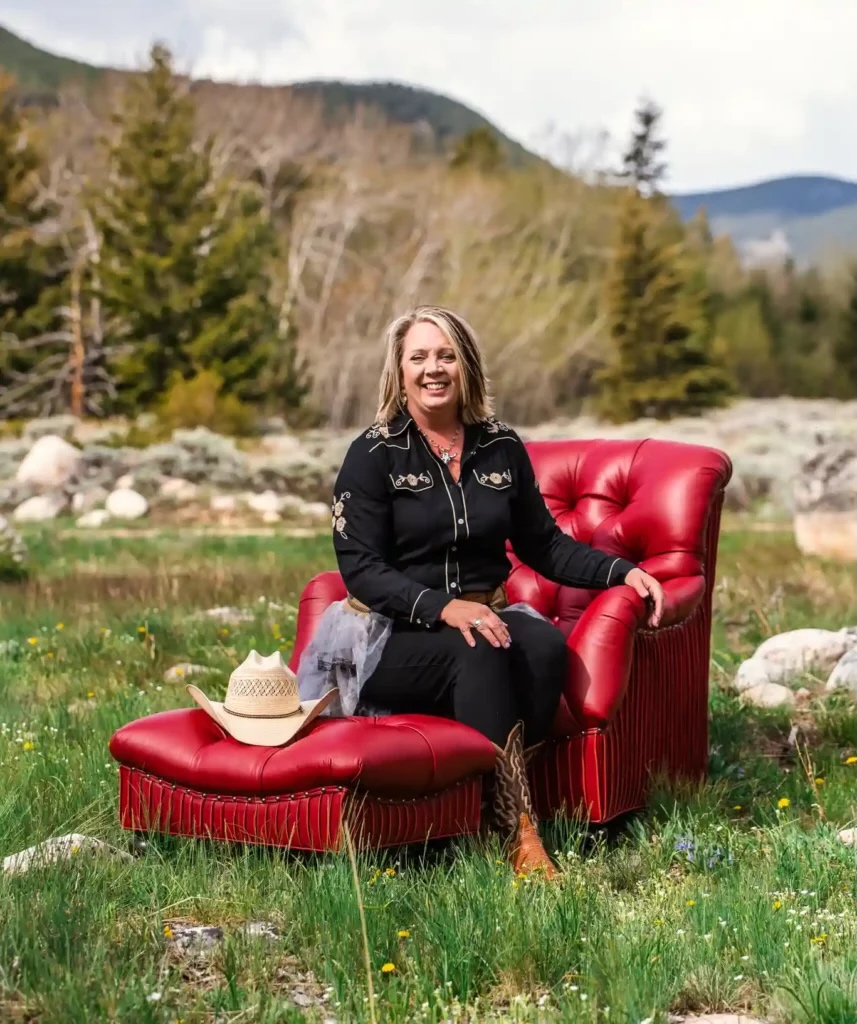
At Designer Interiors, our work is built on working together.
We help second-homeowners and their builders turn well-constructed houses into homes that feel calm and settled. Easy to live in, easy to maintain, and suited to Montana life.
If that's the kind of second home you're trying to create, we'd be honored to be part of it.
