
Modern Rustic Interiors in Montana: How the Right Designer Makes Life Easier for You and Your Builder
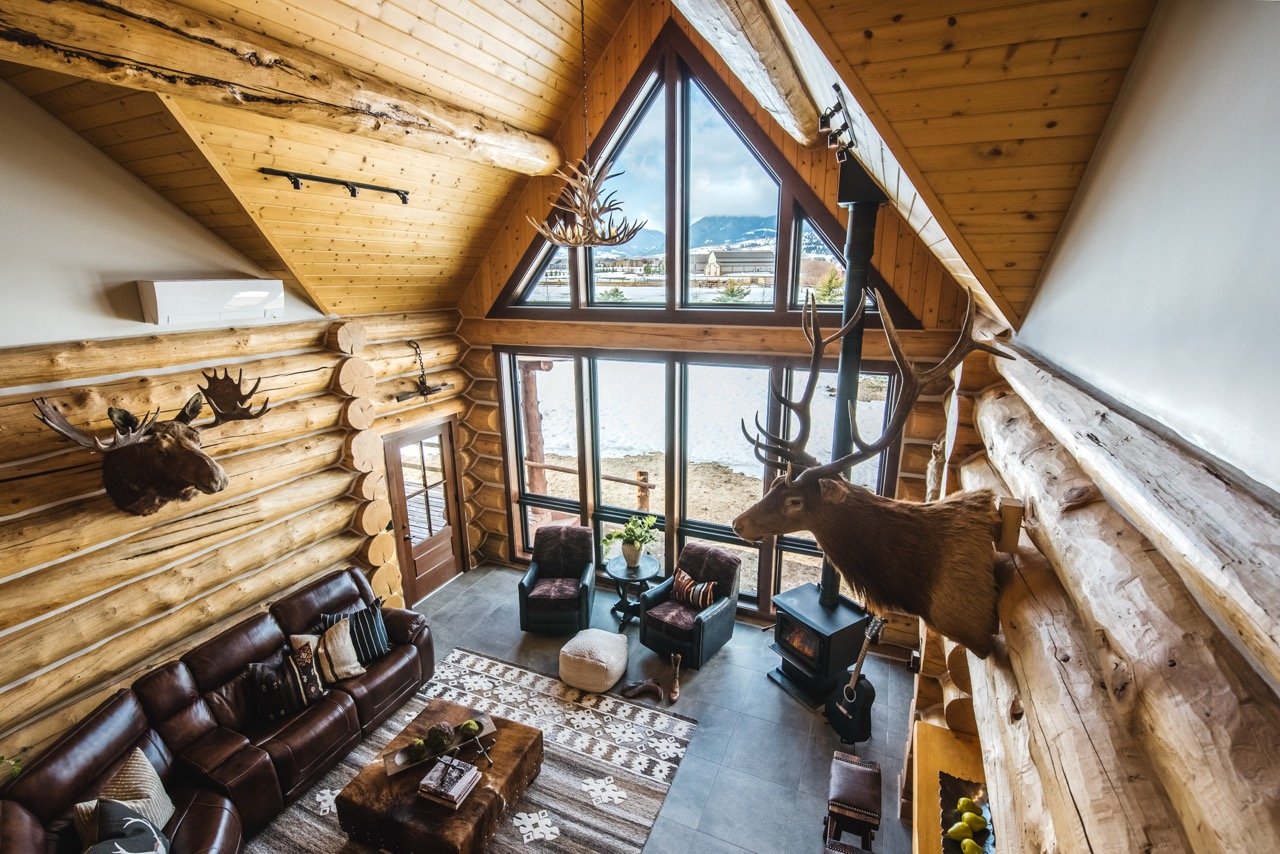
When a Beautiful Montana House Still Feels Like a Project
If you've built or bought a second home in Montana, you already know this truth:
The construction ending doesn't mean the work is over.
The house is technically "done." The views are everything you hoped for. The finishes are high-end. Your builder has moved on to the next project.
And yet, months later, you're still:
Rearranging furniture every time people visit
Ordering rugs that never quite seem right
Worrying about how the house will hold up with guests, caretakers, and distance
From the outside, it looks finished. On the inside, it still feels like a half-managed project.
This is where thoughtful modern rustic interiors work can make the difference, for you, and for the builders and GCs who put the house on the land in the first place.
A Real Project: From Impressive Shell to Settled Home
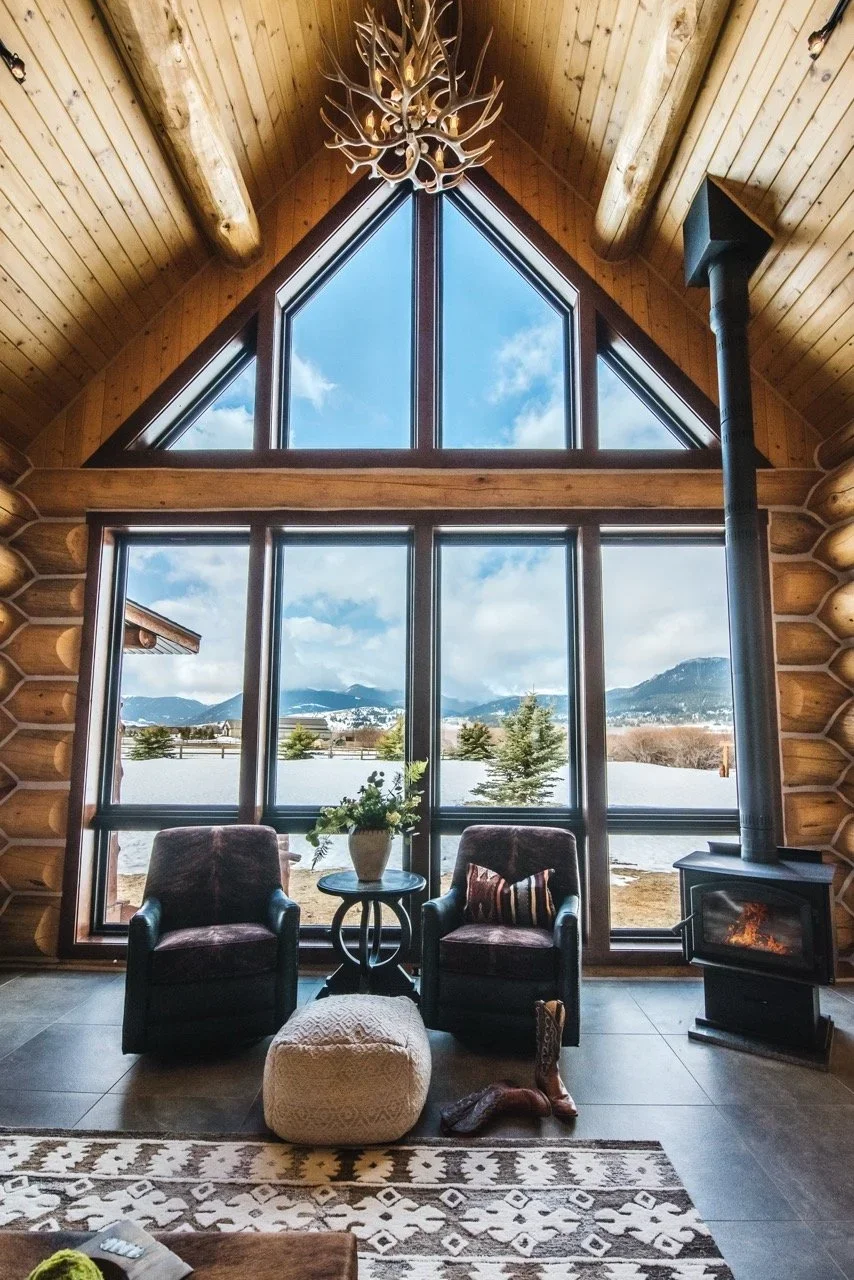
Not long ago, we were brought into a new-build second home outside a small Montana town.
The builder had done excellent work:
Clean, contemporary architecture with big glass and strong bones
Quality materials, from the siding to the stone
A layout that made good sense on paper
But after a couple of seasons using the house, the owners still felt like they were "camping in something expensive."
They loved their builder. They just needed someone to finish what the build started.
Our job was to close that gap: respect the architecture and the builder's work, while layering in interiors that could handle real second-home life in Montana.
What Modern Rustic Really Means in a Montana Second Home
In this house, we treated "modern rustic" as more than a style.
It became a few guiding ideas:
Modern in the clarity of the lines and layouts. Nothing fussy, nothing that made the rooms feel smaller than the views.
Rustic in the materials and textures. Wood, stone, leather, wool, finishes that could take a little abuse and age with grace.
Montana in the color palette and function. Colors pulled from the ridgelines outside, storage that accounted for boots and gear, lighting that respected long winters and late-night arrivals.
The result didn't feel like a departure from the builder's work. It felt like the natural continuation of it.
That's what good montana home design does: it finishes the thought the structure started.
Why Builders and Designers Are Better Together
From the owners' perspective, bringing in a designer solved problems they'd been living with for two years.
From the builder's perspective, it solved a different set of problems:
Fewer "Can we move this?" calls after move-in
Fewer piecemeal changes that made beautiful rooms feel compromised
A better chance of the house being photographed and shown the way it was meant to look
When a builder brings a designer into the process early, or when an owner does, it creates a clear handoff: the builder owns the structure, the designer shapes how it's used.
On projects like this, modern rustic interiors aren't just a style. They're a way of making sure everyone's work holds up:
The builder's craftsmanship doesn't get buried under random furniture and rushed decor.
The owner doesn't have to be the project manager forever.
The house feels like one clear idea.
What This Looks Like, Room by Room
In the project I'm thinking about, that collaboration showed up in small but important ways:
Entry and mudroom: We worked with the existing millwork to add interior elements that made it obvious where boots, coats, and bags should land. The builder's cabinetry and our storage systems now work as one system.
Great room: The builder had framed a spectacular view. We chose furniture, rugs, and lighting that honored that view but finally made the room feel like somewhere you could actually spend an evening.
Bedrooms: With the envelope already right (windows, proportions, insulation) we focused on quiet, layered comfort that fit the climate and the architecture.
None of this would have been as smooth without a solid relationship with the GC. They knew the house inside and out. We knew how the owners wanted to live in it.
Together, we turned a set of well-constructed rooms into the kind of modern rustic interiors that feel natural.
What Owners Gain When Their Builder Has a Design Partner
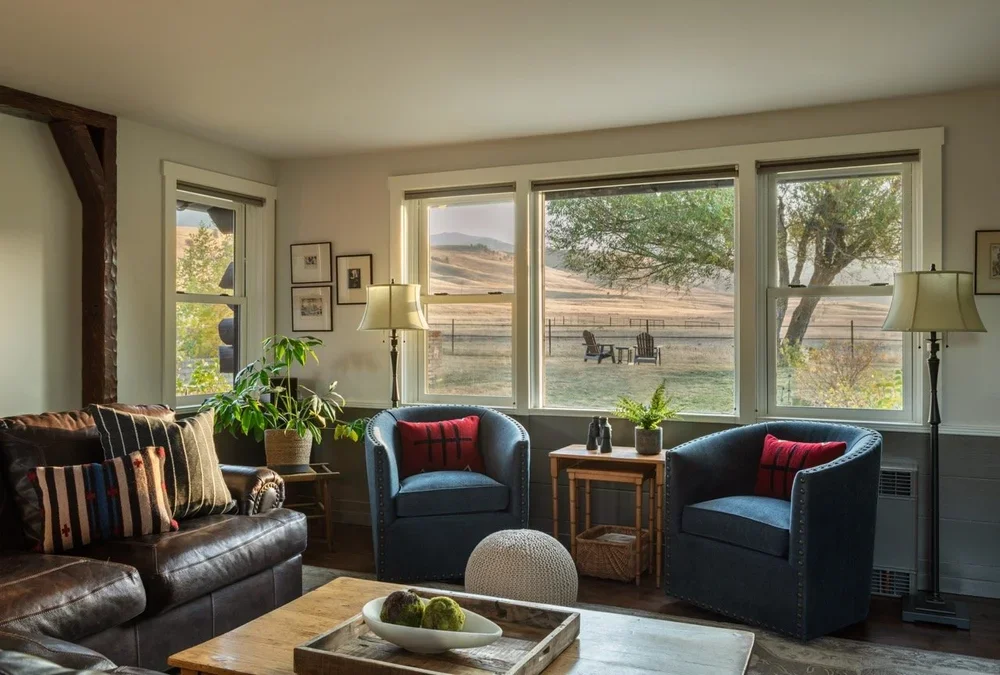
As a second-homeowner, you might not think much about whether your builder likes working with designers. You just want a finished home that feels right.
But there are real benefits when they do:
Fewer surprises later. If someone is thinking about furniture, lighting, and storage while walls are still being drawn, you're less likely to end up with "Where does the sofa actually go?" problems.
Better decisions on finishes. A designer who understands both mountain modern interior design and second-home realities can help choose flooring, tile, and fixtures that make sense for how you live, not just how the spec sheet reads.
A house that fits faster. Instead of spending years tweaking and adjusting, you arrive at a home that feels settled and complete much sooner.
Ultimately, it's about working together. A builder and designer working toward the same goal save you time, money, and stress, and give you a home that does what you built it to do.
When to Bring a Designer into the Conversation
If you're already in love with a builder or GC, the best time to add a designer is early. Ideally while plans are still flexible, or before finishes and lighting packages are set in stone.
If your house is already built and you're still living with that "almost there" feeling, the second-best time is now.
A good interior designer search for a Montana second home will turn up someone who:
Respects the work your builder has already done
Asks how you actually use the house, not just how it photographs
Collaborates with your GC and trades instead of working against them
Designers who regularly partner with interior designers Montana builders trust understand both sides of the job: the construction realities and how the house is lived in.
At Designer Interiors, we see ourselves as the bridge between the plans and the life you had in mind when you decided to build here.
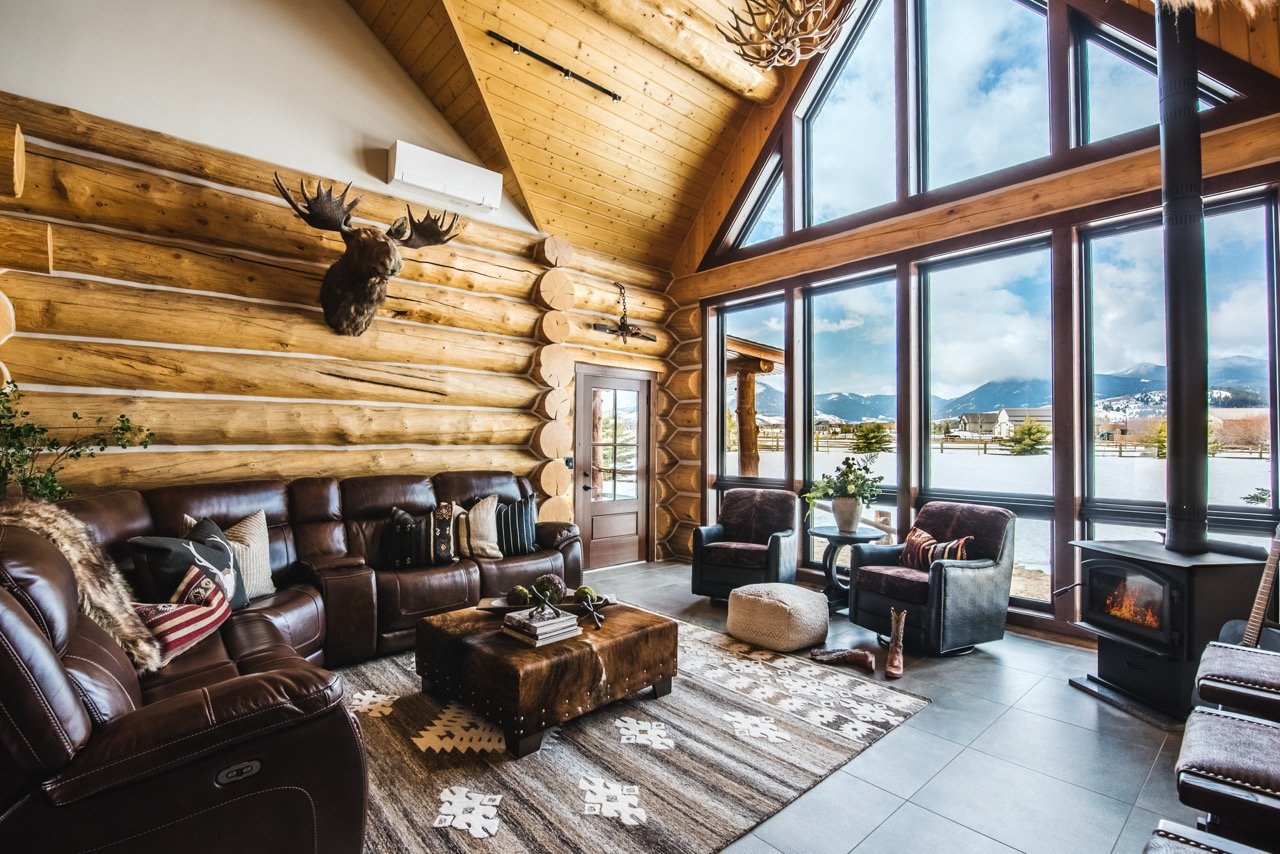
We help second-homeowners and their builders create modern rustic interiors that are both practical and beautiful. Homes that work for the land, for the people who build them, and for the people who come back to them season after season.
Contact Designer Interiors to start your Montana home design journey
