
Rustic Interior Design in the Mountain West: Refreshing a Long-Time Home Without Erasing Its Story

When "Updating" a Home Feels Like Risking Its Soul
If you've lived in your home for a long time, or it's been in your family for generations, you probably know this feeling:
You can see what needs to change. The carpet has done its time. The layout doesn't quite fit the way you live now. You're ready for better lighting, better storage, maybe even a new kitchen.
But you're also wary.
You don't want to wake up one day in a house that feels like it could be anywhere. You don't want to trade the history and familiarity you love for a look that doesn't feel like you, or like this place. That tension is exactly where thoughtful rustic interior design works best in the Mountain West.
It lets you bring the house forward without losing what made it matter in the first place.
Knowing What Needs to Stay, and Why
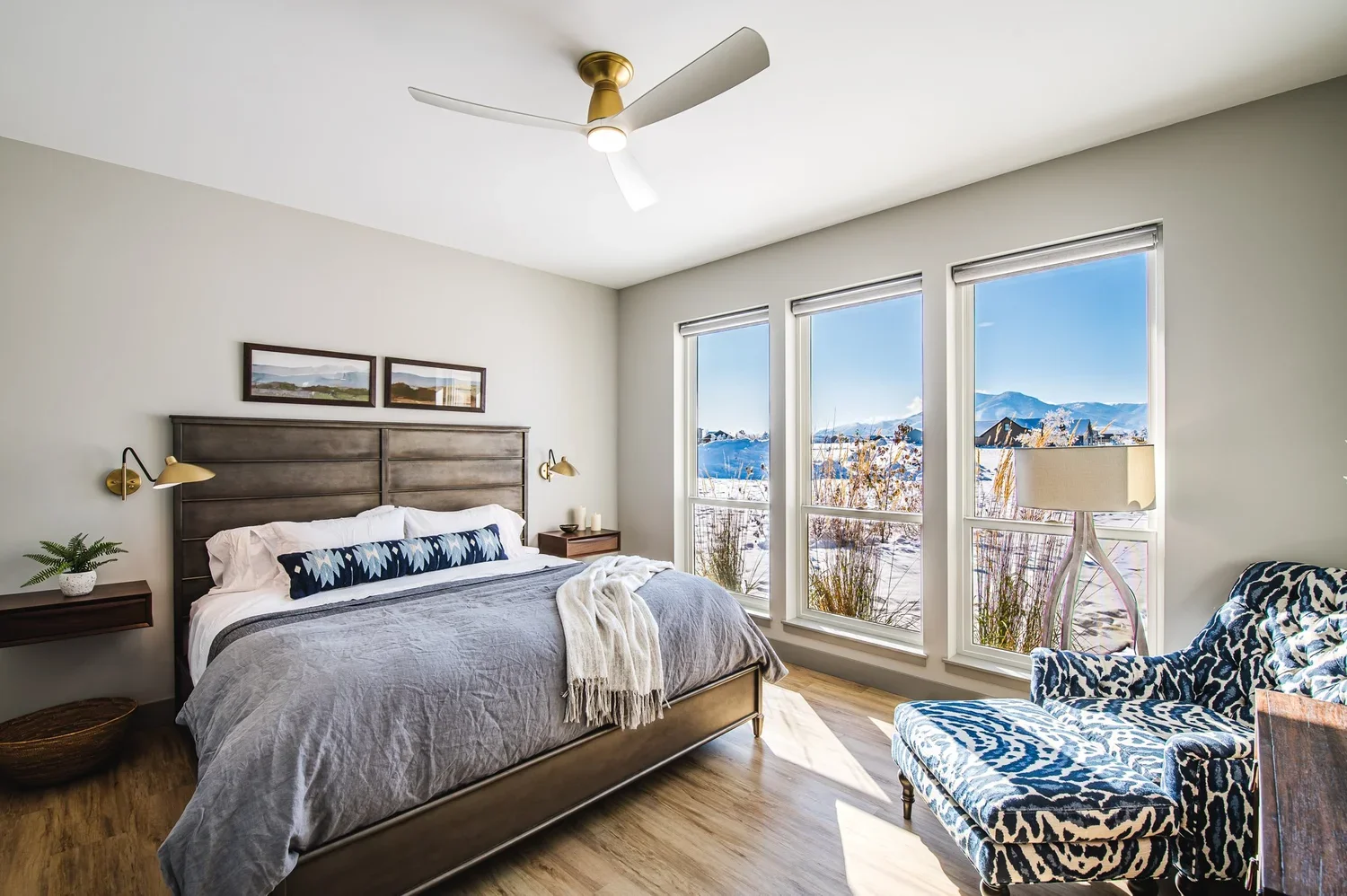
Before anyone touches a finish or orders a piece of furniture, the first step is to decide what truly needs to stay.
In many long-time Montana and Mountain West homes, that list includes things like:
A well-worn dining table where holidays have always happened
A stone fireplace that's seen every winter since you moved in
A piece of art or vintage photograph that quietly anchors the room
The way light hits a certain wall at a certain time of day
Those elements might not be in perfect shape, and they might need support, but they're part of the home's character. They give you a spine to build around.
Good rustic interior design doesn't bulldoze those pieces. It keeps them, updates what's competing with them, and fills in what's missing so the room feels pulled together again.
Letting the House Grow with You (Not Away from You)
Homes that have been lived in for decades usually reveal how life has changed:
Kids have grown and moved out, but their furniture hasn't
Hobbies have shifted, but storage never caught up
Rooms are still arranged for how you lived ten or twenty years ago
A refresh is a chance to update the house to match your current life, and the lives of the people using it now.
That might mean:
Turning a barely used formal living room into a cozy, everyday gathering space
Reworking a guest room into a flex space for grandkids, hobbies, or a home office
Opening up sightlines so you can see the view you used to only notice from the driveway
Here, rustic interior design is less about antlers and barn doors and more about honest materials, better flow, and a layout that supports the way you really live today.
Respecting Local Character While You Refresh
In the Mountain West, "updating" a home can go sideways fast if changes forget where the house is.
The goal isn't to make a 1970s Red Lodge ranch look like a brand-new Denver loft. The goal is to highlight what's already strong:
Finish wood in a way that shows the grain instead of hiding it
Choose stone, tile, and fabrics that feel like they could have come from this region, even if they didn't
Pull your color palette from the actual landscape outside your windows: sage, sky, rock, snow, river. Not just whatever is trending online.
That's how montana home design stays rooted. Your home still feels like it belongs on your street, in your town, in your valley. Just more itself.
Bringing in New Pieces Without Losing Old Stories
Most long-time homeowners have a mix of things they love, things they're indifferent to, and things they're frankly tired of.
The trick isn't to throw everything out and start over. It's to decide:
Which existing pieces are strong enough to lead the room
Which ones can move to a less central spot
Where you genuinely need something new
Vintage and inherited pieces often shine when they're paired with simpler pieces: a cleaner sofa, updated lighting, a rug that pulls the room together.
A few layers of vintage western decor, a framed photograph, a well-used trunk, a textile with history, stand out more when the surrounding room isn't shouting.
Editing usually brings the stories forward, instead of hiding them.
For Newcomers
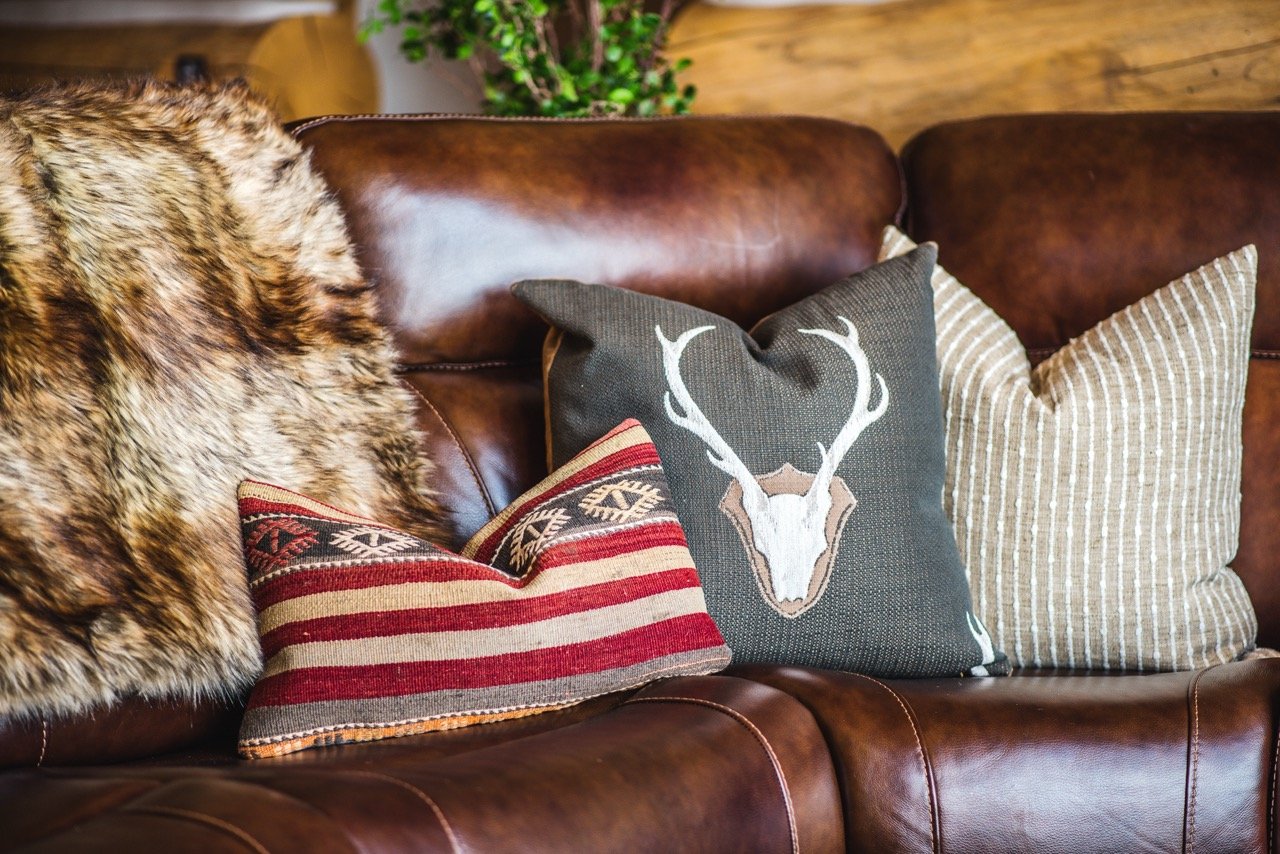
If you're newer to the Mountain West, you might be facing a different version of the same question: how do you make your home feel rooted without trying to look like you've lived here forever?
The answer is rarely to cram every Western motif you can find into one space.
Instead, a mix of:
Honest rustic interior design choices (the right wood, stone, and textiles for this climate)
A few Western or regional pieces sourced from local makers or vintage shops
Personal items from your previous life that still feel like "you" will usually get you closer to a home that feels both in tune with this place and true to who you are.
You don't have to erase your history to honor the place you've chosen. You just have to let the house tell a story that makes sense.
When It Helps to Have a Guide
If you've lived in your home a long time, you're often too close to see it clearly. The same is true if you're new to the region and still trying to understand the culture and the look of the place.
That's usually when bringing in a designer stops feeling like a luxury and starts feeling like a relief.
A good interior designer near me search in Montana or the broader Mountain West will turn up someone who:
Asks what people and memories this home holds before suggesting changes
Helps you separate "patina" from "just worn out"
Suggests materials and layouts that respect the house and the land equally
Designers who work here every day, interior designers Montana homeowners already trust, know the difference between refreshing a Western home and flattening it into something that could be anywhere.
At Designer Interiors, we see our role as guide and caretaker.
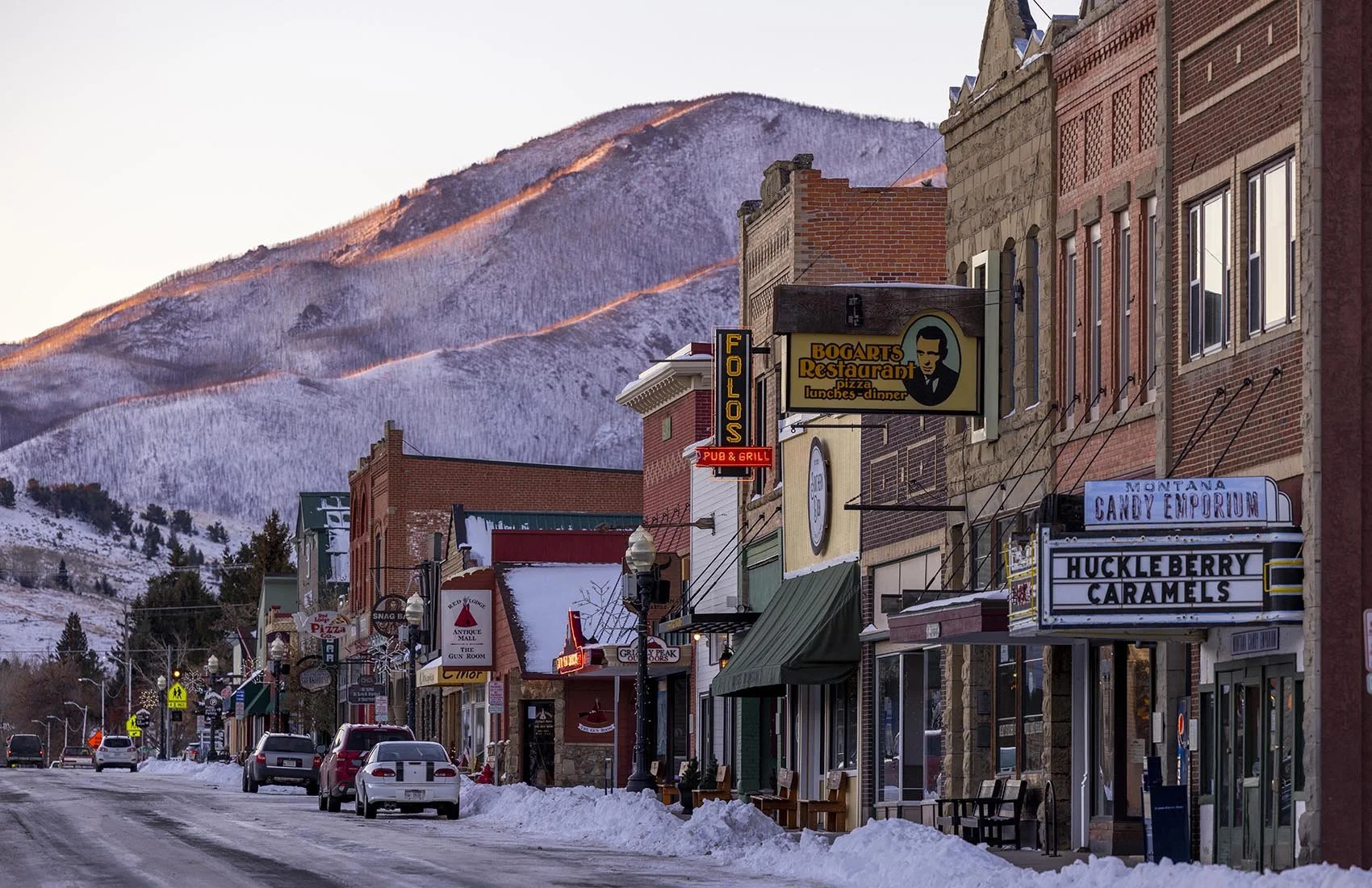
We help long-time locals and thoughtful newcomers update their homes in ways that feel like a natural next step, not a start-over. Keeping the bones and stories that matter, while finally letting the spaces catch up with the lives you're living in them now.
Contact Designer Interiors to start your Montana home design journey
