
Montana Home Design: Why Your Western Second Home Needs More Than a Pinterest Board
By Chanda Wahl, Designer Interiors

When a Western Second Home Looks Right—but Doesn’t Feel Right
You built or bought a home in Montana because the landscape pulled at you—big sky, long horizons, mountains that change color hour by hour.
On paper, your house “fits”: timber beams, stone, a fireplace, maybe a barn door or two. Friends say it looks like a postcard.
But when you’re actually here, something feels off. The rooms are pretty, but not quite grounded. The house feels more like a Western set than a Western sanctuary.
That gap is where thoughtful montana home design lives. It’s not just about style; it’s about understanding this place—and your life in it—well enough that the home finally feels inevitable.
1. Montana Is a Lifestyle, Not Just a Look
You can copy a photo of a room from anywhere in the world. But Montana isn’t “anywhere.”
Real montana home design starts with questions like:
How often are you here—and in which seasons?
How many people are you realistically hosting at once?
How do you spend your time—out on the water, in town, on the mountain, around the fire?
A second home that’s used eight long weekends a year in winter has different needs than one that hosts three generations every August. Layout, storage, fabrics, and even where you put outlets should follow those rhythms.
That’s why copying generic western interior design images rarely works on its own. They weren’t designed for your people, your climate, your rituals.
2. The Climate Quietly Runs the Show
Montana light is sharp and high. Winters are long. Mud and snow are facts of life. If your home ignores that, it will constantly fight you.
Good rustic interior design in Montana pays attention to:
Light: Where does the sun hit hardest? Which rooms feel flat on gray days?
Temperature: Which spaces run hot in summer and cold in winter?
Mud and snow: Where do boots, coats, gear, and dogs actually enter the house?
That might mean:
Layered window treatments that control glare without killing the view
Warm, layered lighting to soften long winter evenings
Durable flooring and rugs in every real entry, not just the “official” one
When those pieces are right, your house supports Montana life instead of resisting it.
3. The Landscape Should Be Your Biggest Design Partner
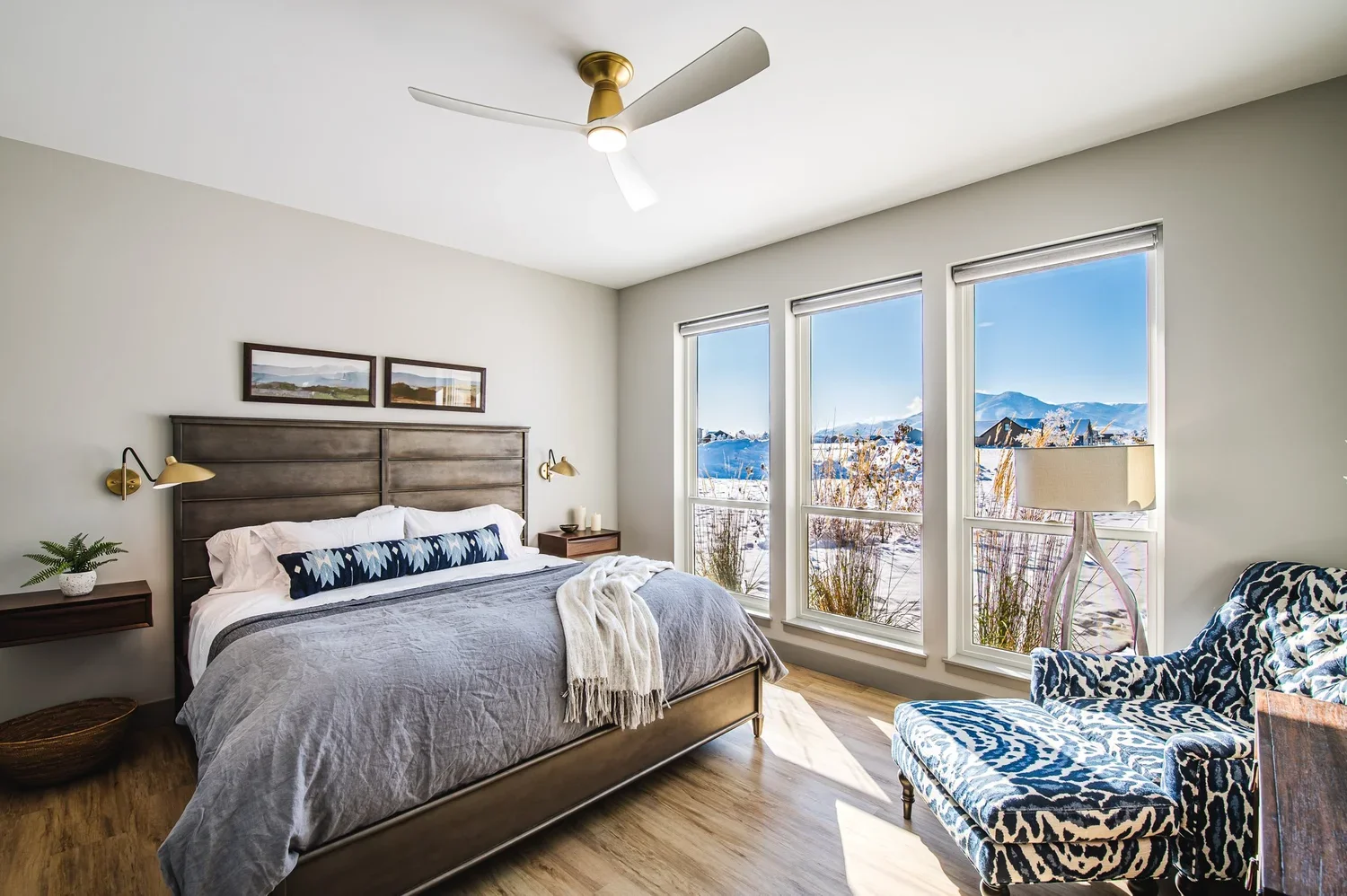
Copy‑and‑paste mountain decor often ignores the actual land outside your windows. True montana home design lets the landscape lead.
Try this exercise:
Stand in each main room and write down the colors you see outside: sky, rock, grass, trees.
Note the shapes: jagged peaks, rolling hills, dense forest, open prairie.
Then check your interiors:
Do your major colors echo or complement what’s outside—or fight it?
Do your patterns and surfaces feel like they belong with that land?
In many of our projects, the most successful rooms borrow their palette from a specific view—a ridge line, a grove of aspens, a river bend. The result reads as modern rustic interiors that feel natural, not forced.
4. Culture and Community Matter More Than Clichés
It’s easy to lean on quick Western clichés: antlers everywhere, generic rodeo art, mass‑produced “cowboy” quotes. The trouble is, they rarely reflect the actual community you’ve stepped into.
Thoughtful western interior design asks:
What does Western life look like here, specifically? Ranching? Skiing? Art? Small‑town main street?
How do locals actually live with this landscape—what stories, crafts, and materials show up?
Then it builds that into the home through:
Local art and photography
Textiles, pottery, and furniture from makers who live and work in the region
A few meaningful vintage or heirloom pieces, not a wall of props
That’s how your home starts to feel like it belongs here, not just next to here.
5. Second‑Home Realities: Distance, Guests, and Turnovers

If your Montana place is a second home, you’re designing for distance:
You arrive tired, often in the dark or in bad weather
You host friends and family who don’t know the house as well as you do
You leave for long stretches, hoping the house will behave while you’re gone
Good montana home design for second‑homeowners makes that easier:
Clear drop zones for bags, boots, and coats right where you actually enter
Obvious, intuitive storage so guests know where to put things without asking
Durable finishes and fabrics that can handle caretakers, cleaners, and kids
When this is right, the house feels “always ready” instead of “always almost there.”
When to Bring in a Western-Rooted Interior Designer
You can get part of the way there with inspiration boards and online shopping. But if your Montana home still feels like a beautiful shell—or a little too much like a set—it may be time to bring in help.
A good interior designer near for a Montana second home will:
Ask more about how you live than what you’ve pinned
Understand local trades, materials, and maker networks
Respect both the Western landscape and the life you’re bringing into it

Designers who practice here every day know how to translate all of that into rooms that feel both grounded and generous. That’s the value of working with interior designers Montana homeowners trust—not just for style, but for fit.
At Designer Interiors, our work is about that fit.
We help second‑homeowners create Western sanctuaries that look like they belong in Montana—and feel like they belong to you.
Contact Designer Interiors to start your Montana home design journey
