
Western Home Decor for Second Homes: How to Avoid the "Catalog Cowboy" Look
By Chanda Wahl, Designer Interiors
You finally bought your place in the West. Maybe it's a second home in Montana. Maybe it's your first full-time move out of the city. Either way, you want the space to feel clearly yours and connected to the landscape around it.
So you type western home decor into a search bar, fall down a Pinterest rabbit hole, and end up with a cart full of antlers, horseshoes, and distressed wood signs.
When everything arrives, the house looks more like a movie set than a home.
If you want an authentic Western feel without feeling overdone, these are the moves that tend to work best for second-home life.
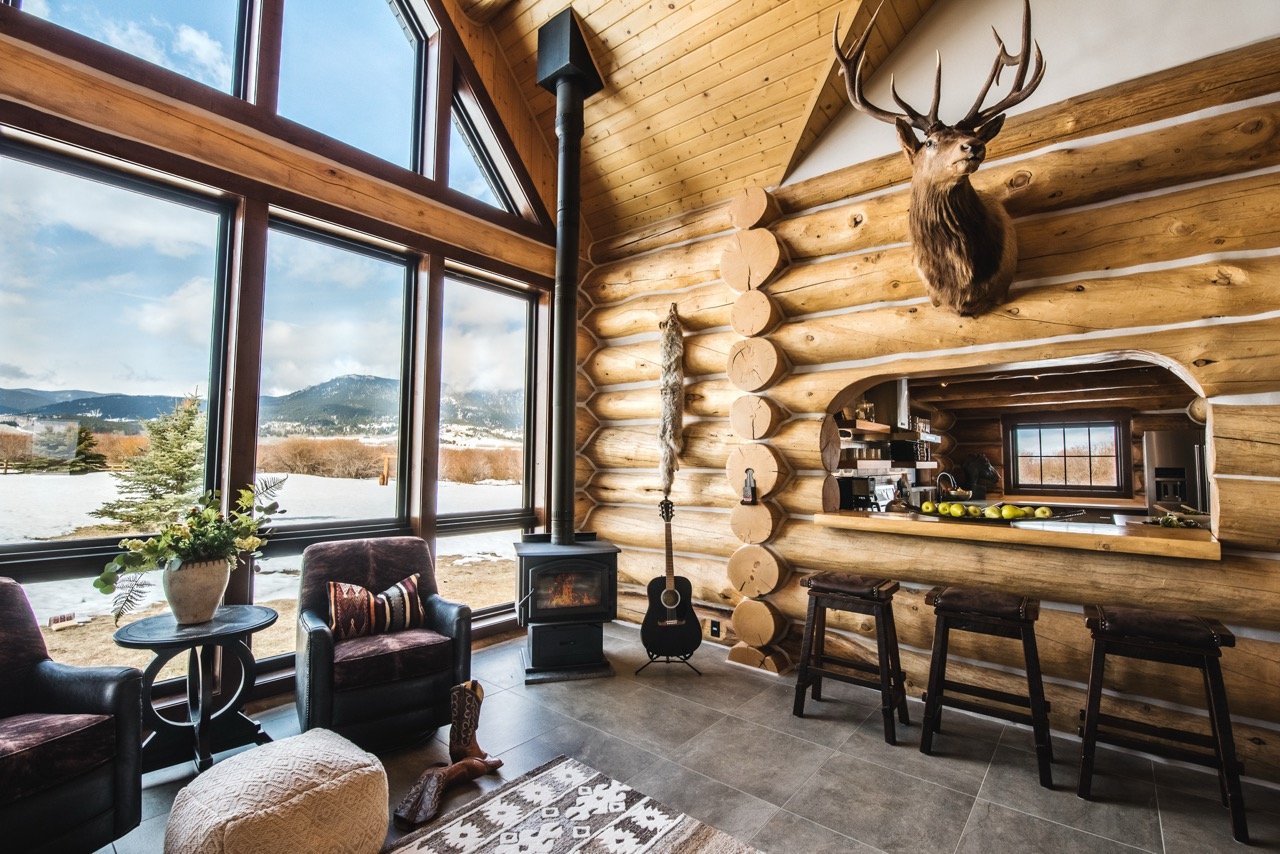
1. Start with the Landscape, Not the Gift Shop
Before you buy anything, look outside.
What colors do you see in the mountains, fields, or sky? Which textures define this place—stone, timber, grasses, snow?
The best western home decor comes from those answers.
Rugs and upholstery in colors you could find on a hike
Wool, linen, leather, and wood that make sense in your climate
Bold color reserved for easy-to-swap accents
This is the starting point for rustic interior design that feels natural instead of overdone.
2. Think in Layers, Not Objects
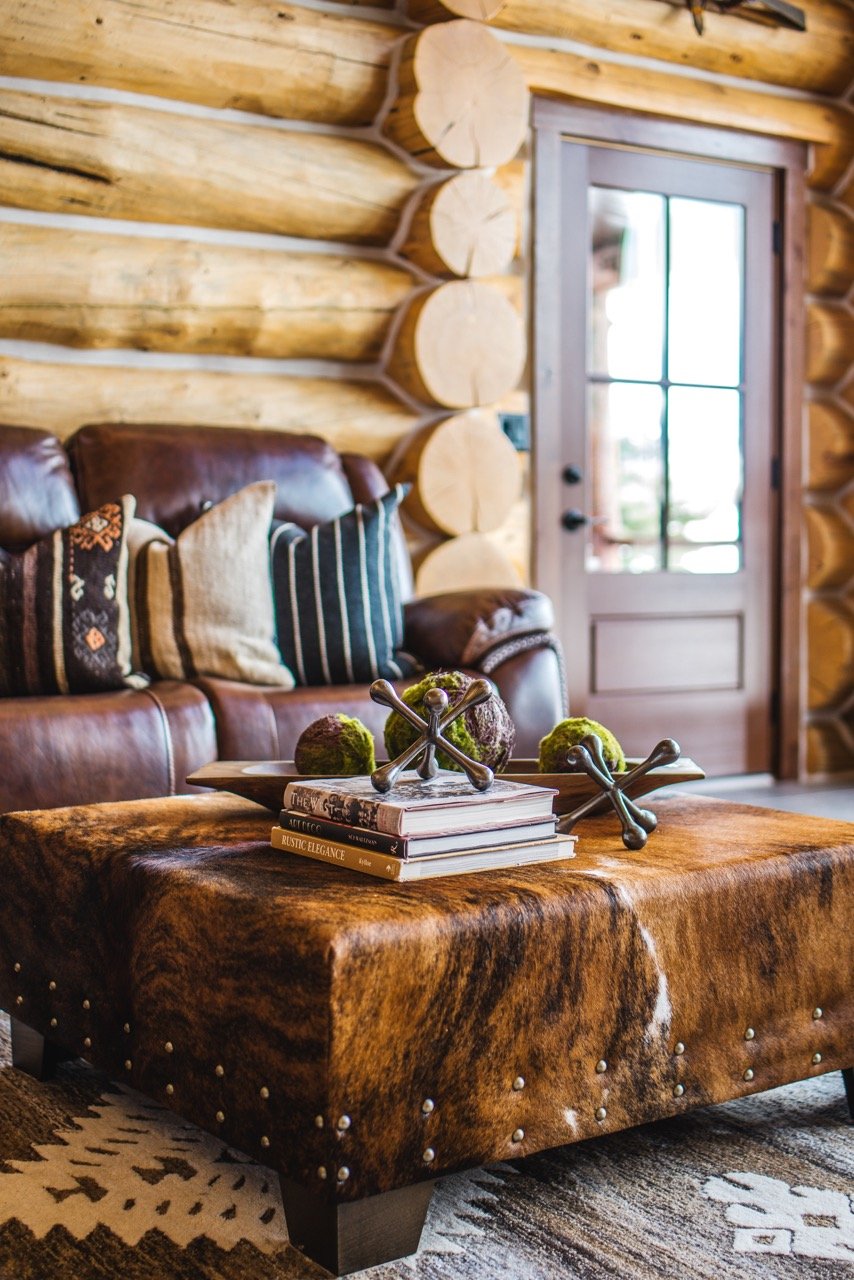
Buying a few Western "objects"—a cowhide or some metal stars—and hoping they carry the room rarely works. What matters are the layers.
Base: floors, walls, big upholstery pieces
Middle: tables, lamps, drapery
Top: art, pillows, throws, pottery, books
Ask: Does each layer feel true to this place? Does each layer support how we actually use this room as a second home?
When you think in layers, western home decor becomes a quiet thread rather than a loud theme.
3. Choose Western Style Furniture That Works for Real Life
In a second home, furniture has to handle muddy boots, spilled drinks, and kids flopping down after a long day outside.
When you select western style furniture, look for:
Scale that fits tall ceilings and big windows
Durable fabrics such as performance linen, wool blends, and treated leather
Comfortable, sink-in profiles
We often pair a clean-lined sofa with leather chairs and a solid wood coffee table. The result sits somewhere between modern rustic interiors and classic Western. Warm, functional, and easy to live with.
4. Edit the Obvious Western Tropes
Antlers, barn doors, and "cowboy" quotes are not always wrong. When overused, they become caricature.
Simple guidelines:
Limit literal motifs to one or two pieces with real stories
Favor items you found on trips, inherited, or sourced from local makers
Skip mass-produced signs you've seen in a dozen Airbnbs
Rustic interior design that feels considered is more about materials and mood than slogans.
5. Make It Second-Home Friendly
In a second home, decor has to behave when you're not there.
Ask:
Can guests figure out where things go without texting us?
Are there obvious landing spots for boots, coats, bags, and gear?
Is anything too precious to leave out between visits?
Design choices that help:
Baskets, benches, and hooks in entries, mudrooms, and bunk rooms
Durable rugs and fabrics that hide a bit of dust or dog hair
Fragile pieces kept where only you handle them
The most successful montana home design lets you arrive, drop your bags, and be in vacation mode in minutes, not hours.
6. Start with One Room, Usually the Living Room
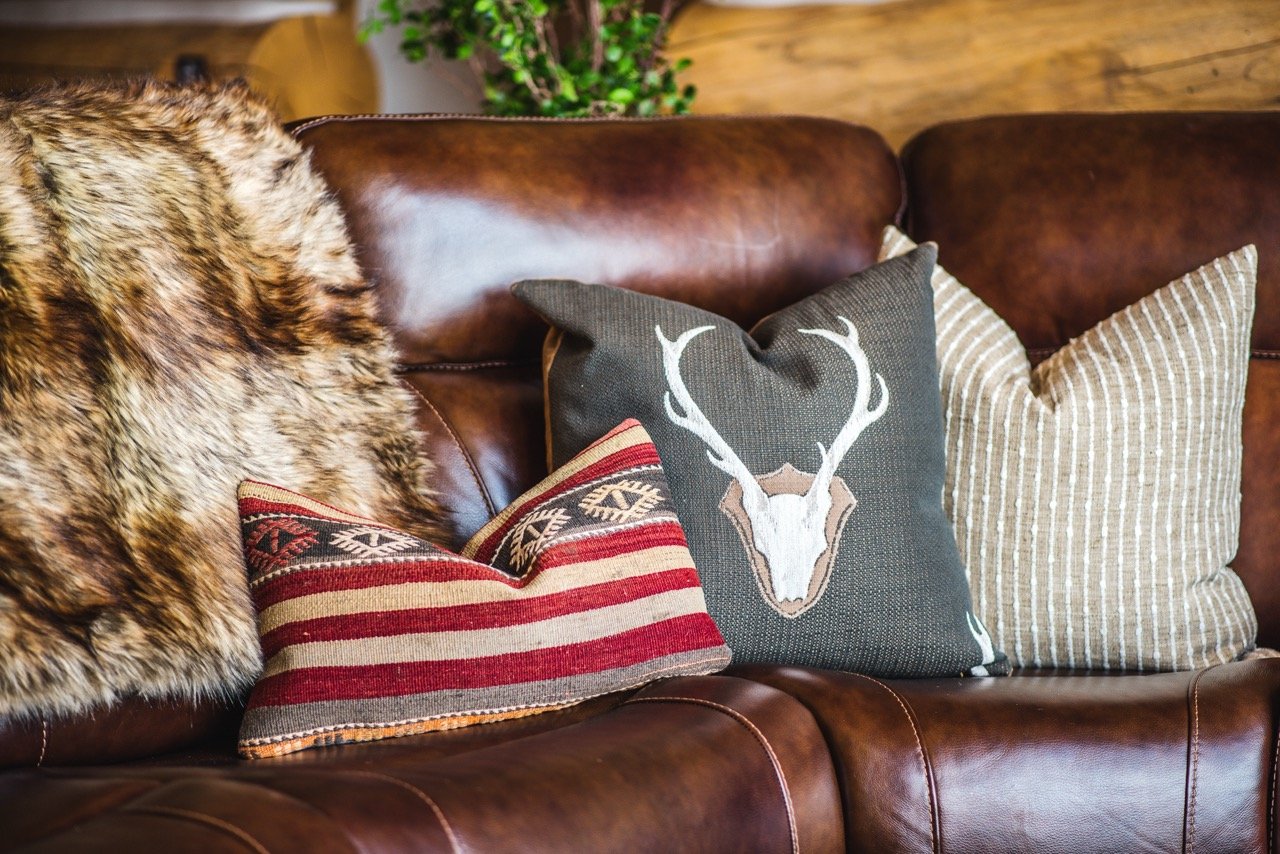
Don't try to fix the whole house at once. Start with the room you use most.
If you're searching for western living room ideas, focus on:
A seating arrangement that fits your typical group
Lighting for both conversation and quiet evenings
A mix of textures that works in every season
A few strong, larger-scale decor pieces instead of dozens of tiny ones
Once your living room feels calm and rooted, it becomes a template for the rest of the home.
Our Rooted, Relaxed, Ready Filter
When we help second-homeowners choose western home decor, we ask three questions about each decision.
Rooted: Does it feel true to this place, not just a generic trend?
Relaxed: Does it feel comfortable on tired travel days?
Ready: Will it still look and function well after guests, gear, and time away?
If a piece doesn't pass all three, it probably doesn't belong in your Western second home.
When to Bring in a Western-Rooted Interior Designer
You can go a long way on your own. But if you've added layer after layer of western home decor and your space still feels off—or veering into costume—outside help can save you time and money.
A good interior designer near me search for a Western or Montana home will turn up someone who:
Asks how you actually live here, not just what styles you like
Understands how second homes actually function, including distance, caretakers, and guest turnover
Combines Western character with the pieces you already own
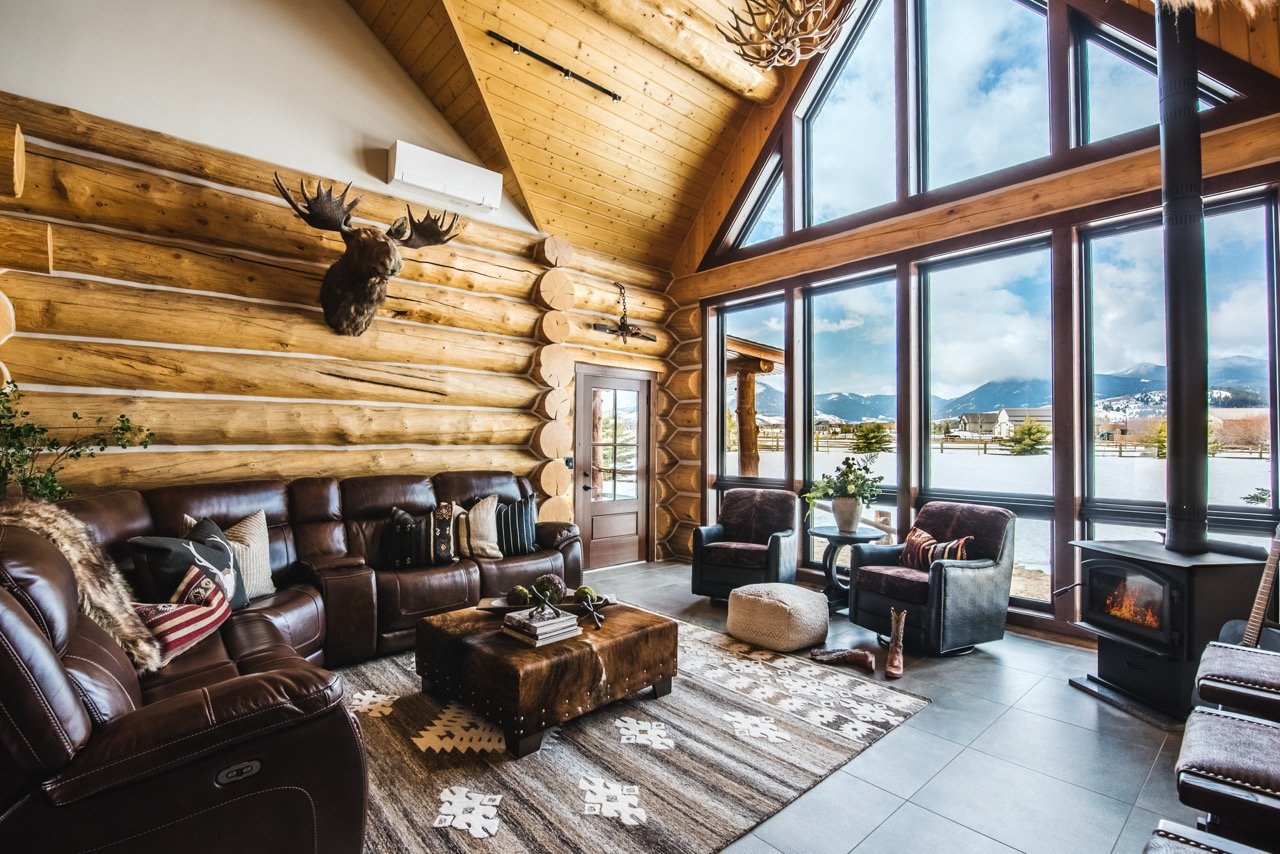
Designers who live and work here know which fabrics fade fastest in high-altitude light, which finishes survive snow and sand, and which local makers are worth investing in. That's the benefit of working with interior designers Montana homeowners already trust.
At Designer Interiors, we design homes that feel settled and welcoming, without slipping into cliché.
Contact Designer Interiors to start your Montana home design journey
