
Western Interior Design for New Transplants: Turn a City Life into a Mountain West Home That's Truly Yours
By Chanda Wahl, Designer Interiors

When Your Old Life Arrives in a Completely New Place
You've made a big move.

Maybe you relocated to Montana full-time. Maybe you finally bought the Western retreat you've been dreaming about. Either way, you arrive with a truck or container full of your previous life:
Sofas and chairs that fit a city condo
Art that made sense on smaller walls and different views
Rugs and accessories chosen for a completely different climate
You unpack, do your best to place everything, and then feel a quiet mismatch.
The house doesn't feel like your old life or like the West. It feels like a little of both, and not enough of either. You want to respect the place you've moved to, but you don't want to dress your home up in a costume that isn't you.
This is where western interior design helps. Not as a theme, but as a way to decide what comes forward, what changes roles, and what you can finally let go.
Sorting What You Brought: Keep, Rethink, Release
Before you shop for anything new, look honestly at what you already own. Most new transplants are closer than they think to a home that fits. They just need a clearer filter.
Try this three-part sort:
1. Still us, still right here
Pieces you genuinely love that also work with the new scale, light, and climate:
A sofa that feels inviting in a larger, brighter space
A dining table that fits the life you want to live here
Art that doesn't fight the new views or walls
These become your anchors.
2. We love it, but maybe somewhere else
Things you're attached to that might need a new role:
A city-scale accent chair that works better in a bedroom than the great room
Art that feels too dense for the living room now, but perfect for a hallway or office
Smaller rugs that layer well in more intimate spaces
These pieces don't need to leave your life. They just might not belong in the most visible rooms.
3. It's time to let this go
Things that were "fine" before but no longer suit the new space:
Fragile pieces that don't fit your new lifestyle
Items that feel very tied to your old city or climate in a way that doesn't feel good
Furniture that makes strong Western architecture look smaller or fussier
Letting some things go makes space for the landscape, for better choices, and for the life you moved here to live.
Using Western Interior Design as a Guide, Not a Costume
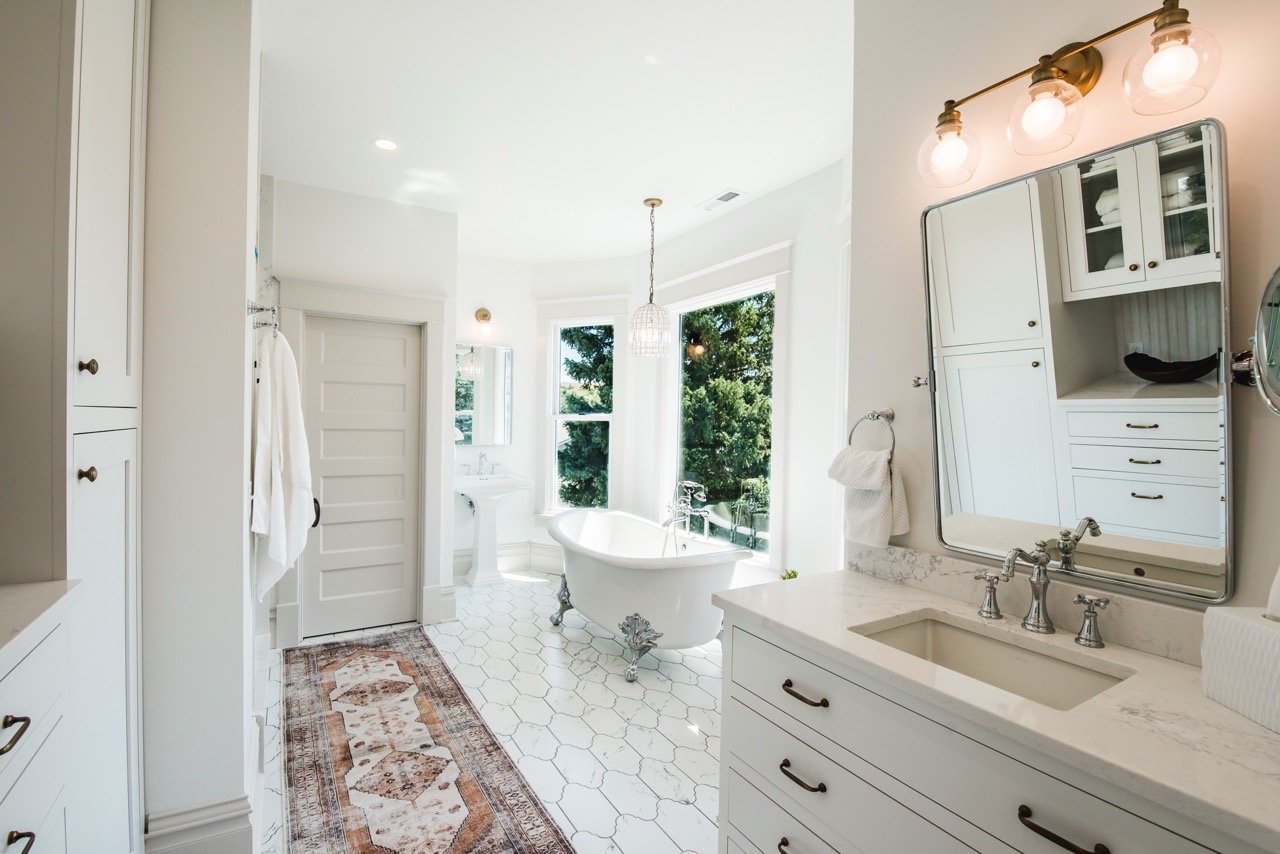
When people hear "Western interior design," they often picture antlers, barn doors, and too much distressed wood. That's one version. It's not the only one.
Used as a guide, Western design is about:
Materials that feel honest here: wood with visible grain, stone, leather, wool, linen
Colors pulled from the land outside your windows: sage, bark, sky, river rock, snow
Forms that feel grounded and simple enough to sit comfortably next to big views and tall ceilings
When you look at your existing pieces through that guide, new questions come up:
Does this sofa hold its own in a room oriented around mountains and sky?
Does this rug soften the space and connect with the landscape, or compete with it?
Does this art work with the view, or does it feel like noise?
Some items will fit naturally into a Western setting once you surround them with the right rustic interior design choices. Others will always feel like they're clashing with the house.
You're not trying to recreate a cowboy catalog. You're trying to make your home feel true to both your history and your new place.
Anchoring Each Main Room with One Western Move
Rather than trying to "Westernize" everything at once, start with one strong move in each main room, then let your existing pieces follow that lead.
Living Room: Floor + View
Choose a rug that's big enough to hold all of your primary seating and that pulls from the colors you see outside: mountains, trees, fields, sky.
Add one significant piece, art, a textile, or a photograph, that feels specific to this place, not just "generic mountain."
Once those anchors are in, revisit your seating. Many city sofas and chairs can stay if the scale and comfort are right. Others may need upgrading over time. You're building the room from a Western base, not draping a Western layer over a city room.
This is the same principle we use in our western living room ideas work for second homes: get the main pieces right, and suddenly you need far less stuff.

Bedroom: Headboard + Bedding Palette
Pick a headboard that matches the new ceiling height and wall proportions.
Use bedding that pulls from softer landscape tones: dusk sky, river stones, pine bark.
Often, your existing dressers and nightstands can stay if the bed and textiles are connecting better to the new setting.

Entry: First Impressions and First Drop Zones
Give yourself real storage for coats, boots, and bags: hooks, a bench, baskets or cabinets.
Choose one Western element, a map, a local photograph, a small sculpture or pottery piece, that says "you're in this place now."
When you walk through the door, the home should suggest both: "You're home" and "You're here."
Learning the Place (Without Pretending You've Always Been Here)
You don't have to pretend you're a fourth-generation ranching family if you're not. Belonging in the Mountain West can look like:
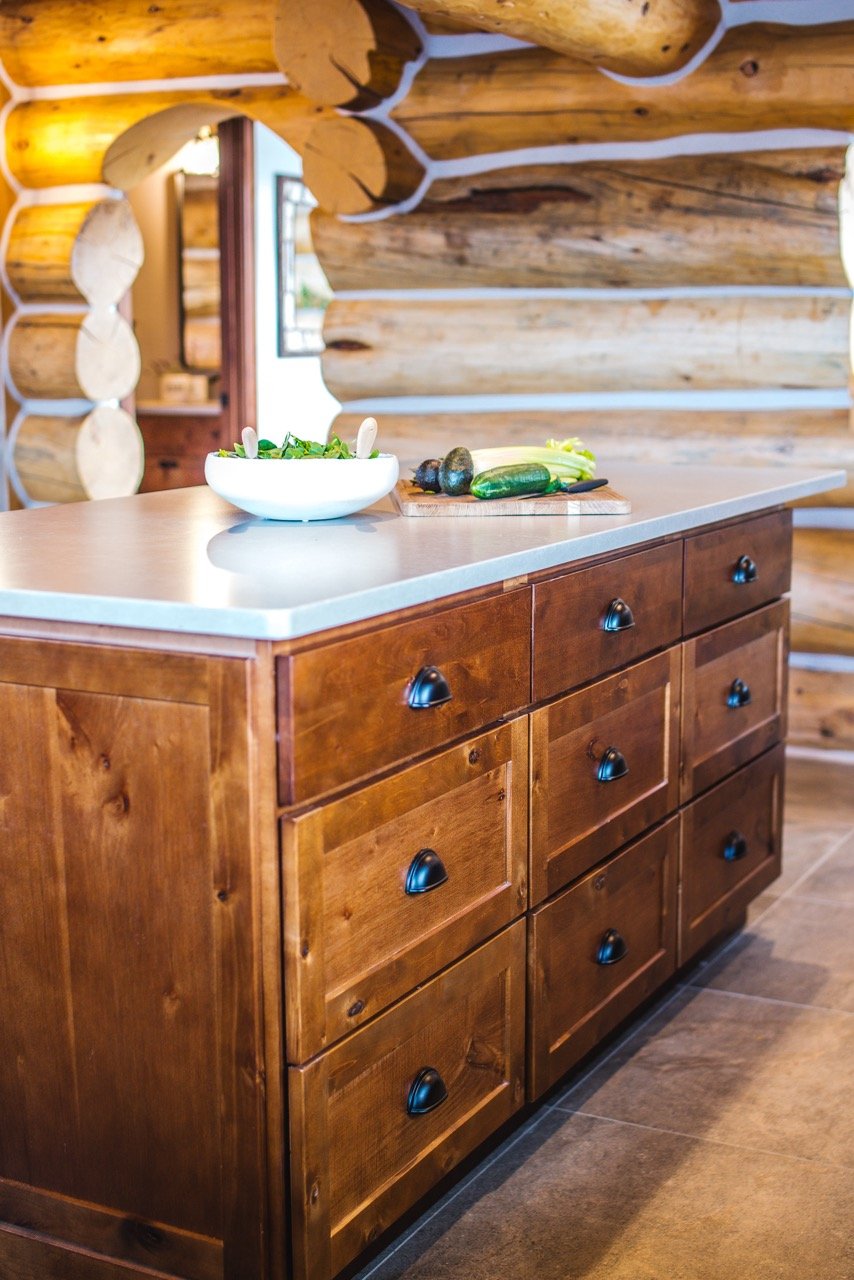
Investing in local makers (art, pottery, textiles, furniture) from people who actually live and work here
Letting those local pieces live side by side with cherished items from your previous life
Choosing western interior design touches that are specific to your town or valley, not just broad "Old West" clichés
For example:
A photograph by a regional artist of a trail you actually hike
A ceramic lamp or mug from a potter down the road
A vintage map of your new county, framed simply
Locals and long-time homeowners tend to respond to homes that are clearly connected to the actual landscape and community, not just decorated in a Western theme.
You bring your story. The region brings its own. The design job is to let those two stories work well together.

When a Western-Focused Second Opinion Helps
You can do a lot on your own: edit, rearrange, invest in a rug or two, bring in a few local pieces. If you've done that and your home still feels like two different lives colliding, it might be time to ask for help.
A good interior designer near me in the Mountain West will:
Ask what your previous life looked like and why you chose this one
See which of your existing pieces can lead, which can support, and which need to retire
Use montana home design principles (light, climate, scale) to tie everything together in a way that respects both the house and the land
Designers who focus on Western primary and second homes, including many interior designers Montana homeowners trust, are used to working with this mix of old and new.
At Designer Interiors, we think of our role as a guide between where you've been and where you are now.
We help new transplants and second-homeowners turn a house full of good furniture and memories into homes that feel settled in the West. Honest, welcoming, and unmistakably theirs.

If you're staring at your living room wondering why it still doesn't feel right, even though you moved all the right things in, we'd be glad to help you figure out what's missing.
Contact Designer Interiors to start your Montana home design journey
