
From City Condo to Western Home: A Design Roadmap for New Mountain West Transplants
By Chanda Wahl, Designer Interiors
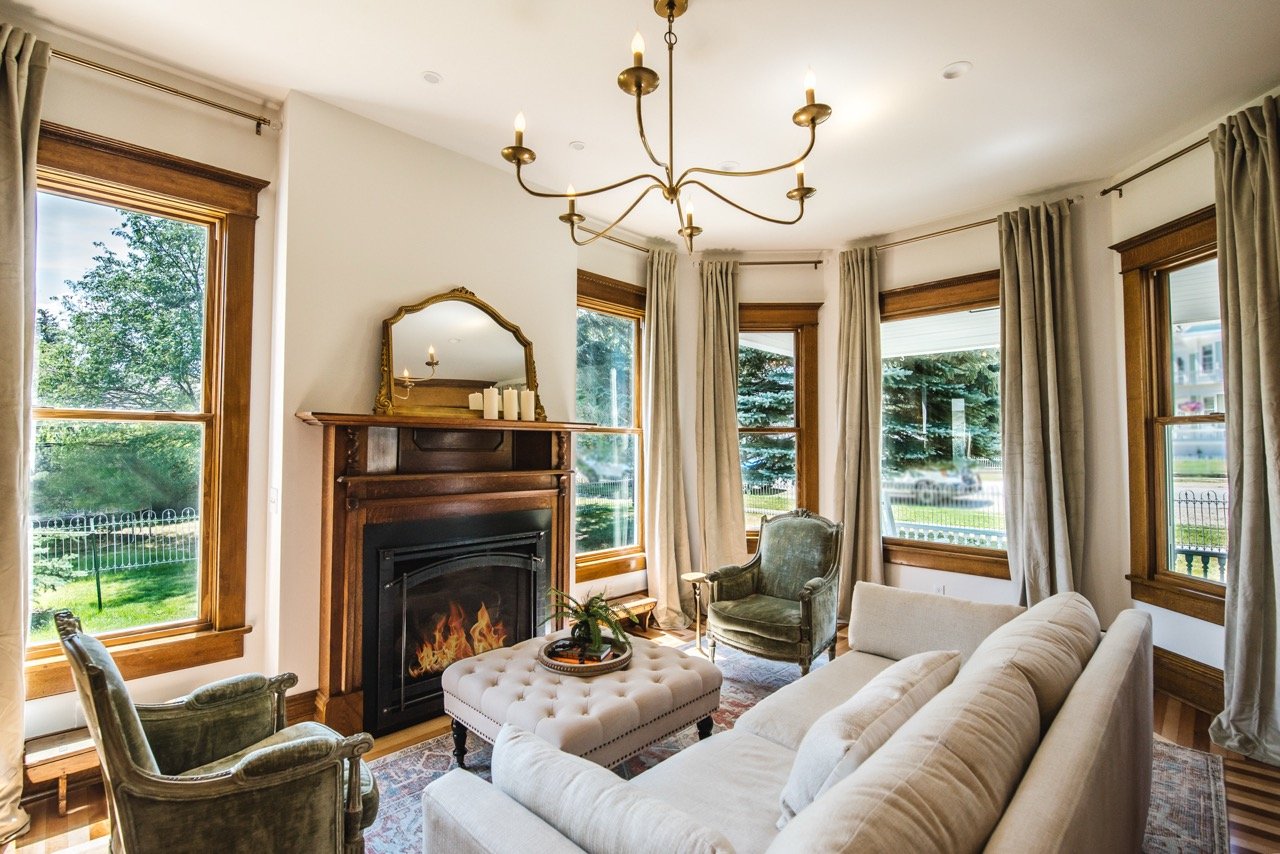
When Your Old Life and Your New Landscape Don't Match
You've made the move.
Maybe Montana (or another corner of the Mountain West) is now your primary home. Maybe it's a true second home where you plan to spend real time, not just an occasional long weekend. You arrive with a full life's worth of furniture, art, rugs, and memories that fit your old context: a city condo, a coastal house, a suburban place back East.
In the new house, some things feel right. Others feel… off.
The ceilings are higher. The light is sharper. The views pull harder.
That sofa you loved in the city suddenly looks small and stiff. Art that once felt rich now feels busy against the mountains.
You want the home to feel connected to this place without pretending you've lived in the West forever.
This is exactly where thoughtful western interior design can help. Not as a costume, but as a way to blend your old life with your new landscape.
Step One: Decide What Comes With You, What Gets Rethought, and What You Release
Before you buy a single Western pillow or blanket, take an honest look at what you already own.
Sort everything into three mental piles:
Still us, still right: Pieces you love that also fit the new scale and climate.
We love it, but maybe not here: Things with sentimental value that might belong in a different room, or a different house, than before.
It's time: Pieces that were "fine" where you were but don't work here anymore.

Ask questions like:
Does this sofa feel inviting in this bigger, brighter room, or does it feel small and formal?
Does this rug fight the view and the new light, or does it soften them?
Does this art still say something true about us, or is it just filling wall space?
You don't have to throw everything out. In fact, a lot of what you own can work well here.
The key is being willing to admit which pieces are actually getting in the way of the home you want now.
For long-time locals refreshing their homes, this is similar to deciding which parts of the house's history are worth preserving and which can finally be updated.
Using Western Interior Design as a Guide, Not a Costume

It's tempting to "fix" the mismatch between old life and new place by over-correcting: antlers everywhere, horseshoe art, heavy log furniture, a quick order of mass-produced Western prints.
That usually leads to a house that feels less like you and more like a themed rental.
Instead, think of western interior design as a guide you use when you make decisions:
Materials: Wood with visible grain, stone, leather, wool, linen. Things that make sense in this climate.
Palette: Colors pulled from your actual landscape: sage, bark, sky, rock, snow, river.
Forms: Cleaner, more grounded shapes that can stand next to tall windows and big ceilings without feeling fussy.
Once you have that guide, you can ask of each piece you brought:
Can this live in a house that's now oriented around mountains and sky?
Does it support that feeling, or pull us back into a different life?
Some pieces will fit easily. Others will ask you to re-home them, or to move them to a quieter spot.
Anchoring Each Main Room with One Western Move
Trying to "Westernize" an entire house at once is likely to feel overwhelming and tip into theme overload. Instead, pick one strong Western element per main room, then let the rest of your existing items adjust around it.
In the Living Room
Start with the floor and the view.
Choose a rug that's large enough to anchor all your main seating and that pulls from the colors you see outside: mountains, trees, fields, sky.
Add one strong piece of art or a textile that feels specific to this region: a landscape, a vintage map, a woven piece, a photograph that could only have been taken here.
Then look at your existing seating. Some city sofas and chairs work well when paired with rustic interior design choices around them: wood, stone, textured textiles. Others will clearly look better replaced over time.
This is the same thinking we use for western living room ideas in second homes: get the main pieces right, and suddenly you need far less stuff.
In the Bedroom

Let the headboard and bedding lead the change.
A simple upholstered or wood headboard scaled to your new walls. Bedding in layers that reflect the landscape: soft neutrals, one or two nature-driven accent colors, real texture.
Many existing dressers and nightstands can stay if the bed and textiles step into a stronger, more region-specific role.
In the Entry
This is where your old life and new landscape first meet every visit.
Give yourself real storage: hooks, a bench, baskets or closed cabinets.
Choose one piece that quietly says "you're in this place now": a framed topo map, a photograph of a local landmark, a small piece of local pottery.
When you walk in, you should feel both: "This is our home" and "We really are in Montana now."
Learning the Place You've Moved To (Without Faking Your History)
One of the fears I hear from new transplants is: "I don't want to pretend I'm a fourth-generation ranch family when I'm not."
Good. You don't have to.
Belonging in the Mountain West isn't about how many generations you can claim. It's about how you show up for the land and the community now.
In design terms, that often looks like:
Supporting local makers: buying art, pottery, textiles, and furniture from people who live and work here now.
Letting those regional pieces live alongside personal items from your "before" life: a favorite book collection, a chair you've always loved, family photos.
Choosing western interior design moves that feel specific to your valley, town, or neighborhood, not just "generic Cowboy West."
Locals tend to notice and appreciate:
When your home feels connected to the actual landscape and town
When you invest in quality, not just quantity
When your Western touches have a story, not just a SKU number
You don't need to erase who you were to honor where you've chosen to live. You just need a clear direction for the house that makes sense.

When It's Time for a Western-Rooted Second Opinion
You can make a lot of progress on your own: sort what you own, change a few key pieces, choose a rug and art that respect the view. If you've done that and your home still feels like two different lives colliding, it might be time to bring in help.
A good interior designer in the Mountain West will:
Ask real questions about your previous life and why you chose this place
Help you keep what still feels like "you" and release what's no longer fitting
Choose materials, colors, and layouts that respect your landscape and your actual routines
Designers who work every day in montana home design and Western second homes know how to balance:
The architecture and light of this region
The sentimental weight of pieces you've carried for years
The need for your home to feel like a home, not a museum of everywhere you've ever lived
At Designer Interiors, we see ourselves as a bridge: between old life and new land, between locals and newcomers, between houses that almost work and homes that finally feel like they belong. To this place, and to you.

If you're standing in a living room full of good furniture and still thinking, "Something here just isn't right," we'd be glad to help you see the house, and what it could become, a little more clearly.
Contact Designer Interiors to start your Montana home design journey
