
Western home decor that still feels off: 5 reasons why (and how to fix each one)
By Chanda Wahl, Designer Interiors
You've done the work. You found the rugs. You sourced the art. You swapped out the generic furniture for pieces that felt more intentional. Your western home decor is technically there.

Rustic Rancher
Explore more inspiring rooms in our gallery.
And yet, the room still doesn't feel right.
This is one of the most common things I hear from homeowners in Montana and across the Mountain West. Not "I don't know where to start," but "I've started, I've spent money, and something still isn't landing." It's a frustrating place to be, because the problem isn't obvious. The pieces are good. The room just isn't working.
After years of walking into homes in exactly this state, I've noticed the same five patterns. Here's what they are, and what actually fixes each one.
1. The room has decor but no anchor
Western home decor pieces like a blanket, a basket, or a piece of landscape art read beautifully in photos. But without a visual anchor, those pieces float. The eye doesn't know where to land.
An anchor gives a room its center of gravity. In a great room, that's usually the fireplace surround, a large piece of art above the sofa, or a rug that defines the seating area. Everything else orbits it.
The fix: Before adding anything, figure out what the anchor should be. If nothing is strong enough to hold that role, that's your first investment. Not another layer of accessories.
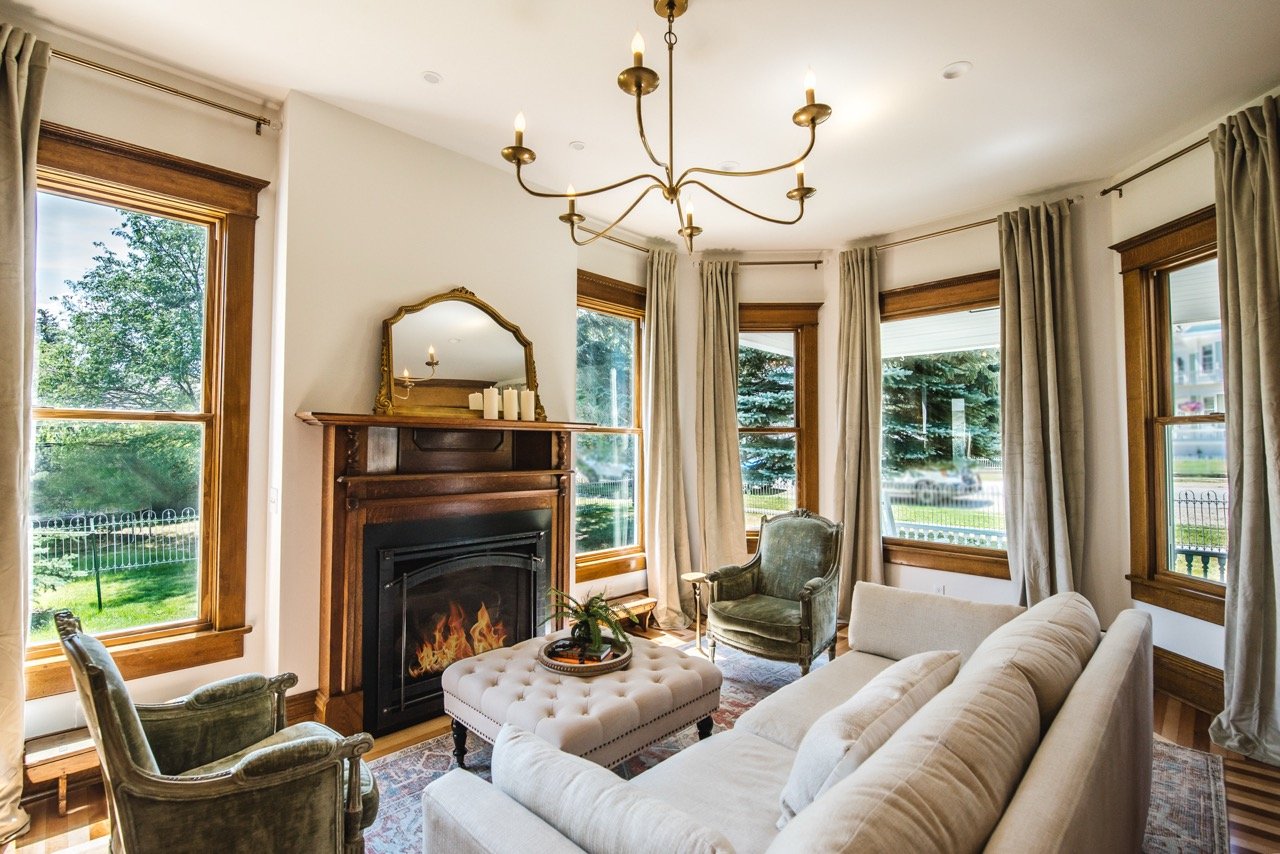
Victorian Charmer
Red Lodge Montana
2. The scale is off and you can't quite name it
Scale problems are invisible until someone points them out, then you can never unsee them. A rug too small for the seating. Art hung too high. A coffee table swallowed by the sofa. Lamps that don't reach eye level when you're seated.
This comes up often in Mountain West homes, which tend toward larger square footage and higher ceilings than the spaces most of us decorated before. The rustic interior design principles that work in a city apartment (a few meaningful pieces, breathing room) often need to scale up considerably to register in a Montana great room.
The fix: Measure before you buy. The front legs of every main seating piece should sit on the rug. Art should hang so the center lands at roughly eye level. Lamps should put light at seated height. When in doubt, go larger than feels right.

Mountain Modern Retreat
Red Lodge Montana
3. The Western elements are doing too much work
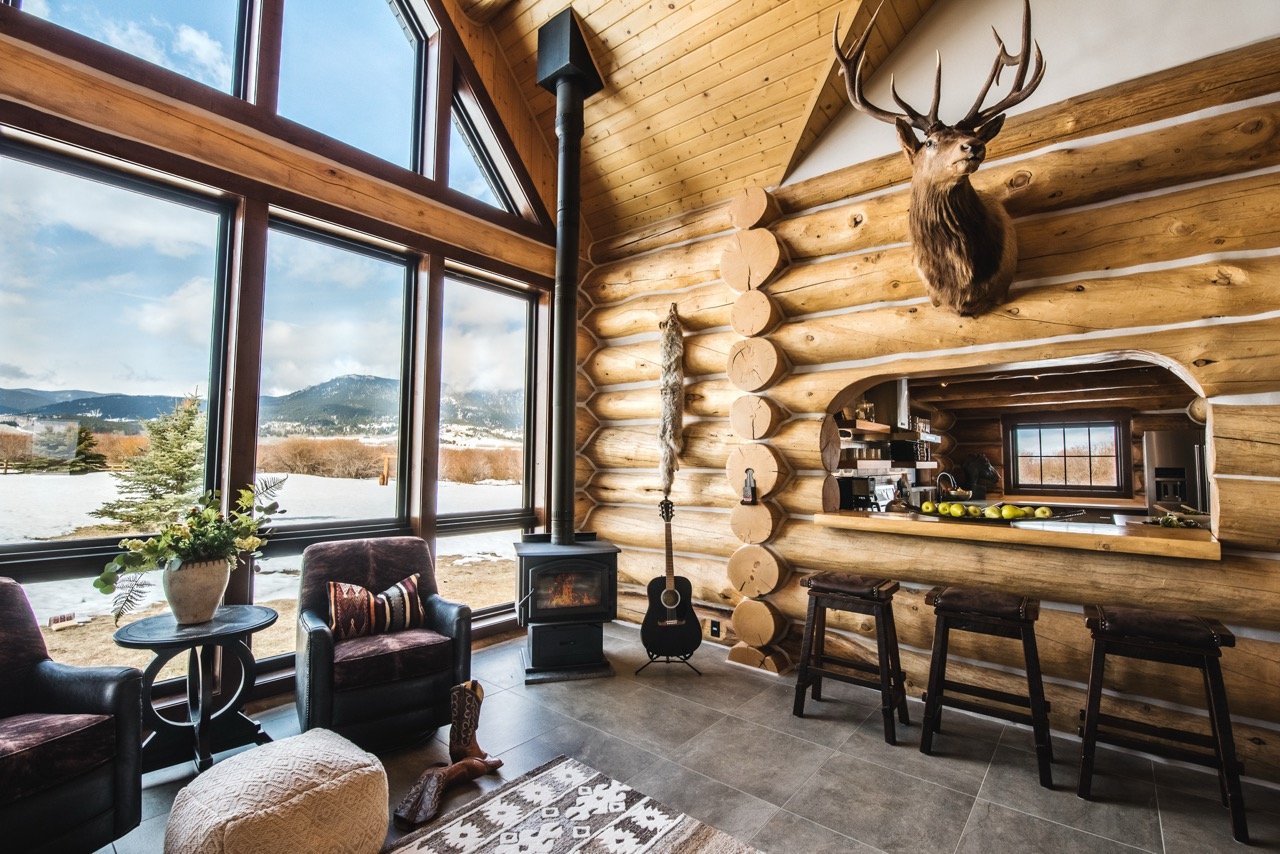
Log Home Lodge
Red Lodge Montana
A cowhide, a pair of antlers, a vintage map, some rope pulls, a few horseshoe accents. Each piece is fine on its own. Together, they're working too hard. When western home decor has to carry the room's identity, there's too much of it.
The rooms that feel most authentically Western are usually the ones where 80 percent of what you see is quietly rooted material: wood, stone, leather, wool, linen. Only 20 percent is what you'd call "decor." The decor doesn't build the atmosphere. It's the final note in something the materials already created.
The fix: Pull half the obvious Western pieces and live without them for a week. If the room settles and feels calmer, those pieces were doing more harm than good. Add one back if something feels genuinely missing. One meaningful object reads. Seven read as a theme.
4. The lighting isn't doing its job
This is the fix that surprises people most, because it works so fast. Montana light is extraordinary in summer and nearly gone by late afternoon in winter. A room lit only by overhead fixtures goes flat and institutional the moment the sun drops.

Tree Top Traditional
Classic Home Interior Design, Kenai Alaska
Rustic interior design done well almost always involves layered lighting: an overhead source for function, sconces or picture lights for warmth, and table or floor lamps near every seat. When all three are working together, the room feels inhabited and settled no matter the time of day. When they're not, even the best western home decor can feel cold.
The fix: Count the independent light sources in your main room. If you have one or two, you need more. A well-placed floor lamp next to a reading chair can change the entire feel of a room for under two hundred dollars. Start there.
5. The room isn't designed for how you use it
This one is harder to see because it's invisible. A room can look beautiful and still feel wrong if it doesn't match how you actually move through it. The sofa faces the view instead of the room, so conversations feel awkward. There's nowhere to put a drink when you sit down. The only overhead light is centered, so the corners stay dark.

Rustic Rancher
Soldotna Alaska
Western home decor gets blamed for this, but decor isn't the problem. Layout and systems are. A house designed around how it looks in photos is a different thing from one designed around how it feels to arrive after a long travel day, pour a drink, and finally sit down.
The fix: Sit in every main seat in the room. From each one, ask: Can I hold a conversation? Do I have a surface within reach? Is there light at the right height? Are there obvious places for bags and boots to land? If the answer is no more than once, the room needs a layout conversation before it needs more decor.
When to ask for help
You can solve most of these on your own, and the fixes above are a good place to start. But if you've worked through this list and your space still isn't landing, that's a strong signal the problem isn't surface-level.
A good interior designer near me search for a Mountain West or Montana home should turn up someone who starts with how you live in the space, not just how it photographs.
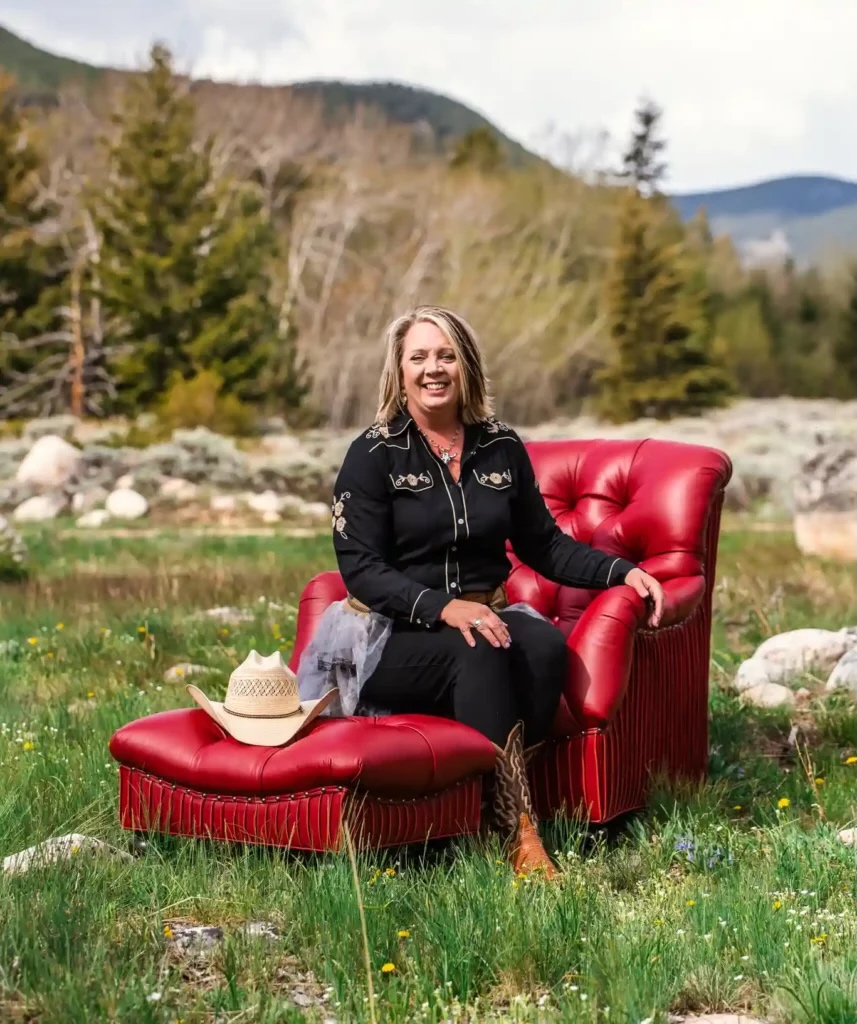
At Designer Interiors, that's where every project begins: not with a style board, but with a conversation about how the home actually gets used, who's in it, and what it needs to feel like every time you walk in.
If your western home decor is in place and the room still feels like it belongs to someone else, that's exactly the kind of problem we solve.
