
Rustic Interior Design for Second Homes: How to Make Your Montana Mudroom and Great Room Actually Work
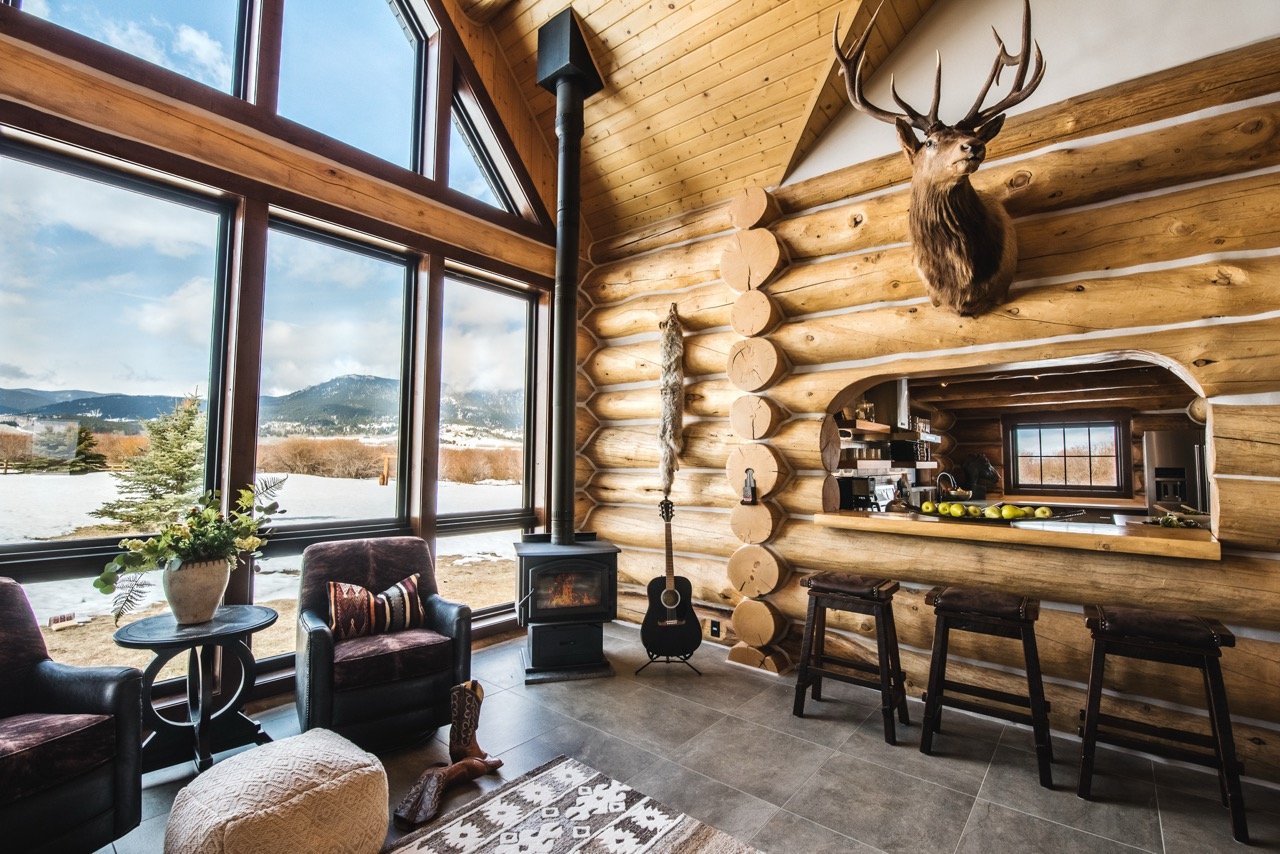
The Two Rooms That Set the Tone for Every Trip
If you own a second home in Montana, you already know there are two rooms that set the tone for every stay: the space where you first land, and the space where you actually live.
The mudroom or entry either catches all the mess of Montana life, or it doesn't. The great room either pulls everyone together… or it quietly makes things harder. In photos, both spaces might look beautiful. In reality, you might be dodging boots, stepping around bags, hunting for gloves, shoving extra chairs into corners, and wondering why a "finished" house still feels like something that takes effort every time you arrive.
When I talk about rustic interior design for second homes, I'm not talking about a style layer you add at the end. I'm talking about a way of thinking that makes these two rooms strong enough to stand up to real Montana living.
A Mudroom That Protects the Rest of the House
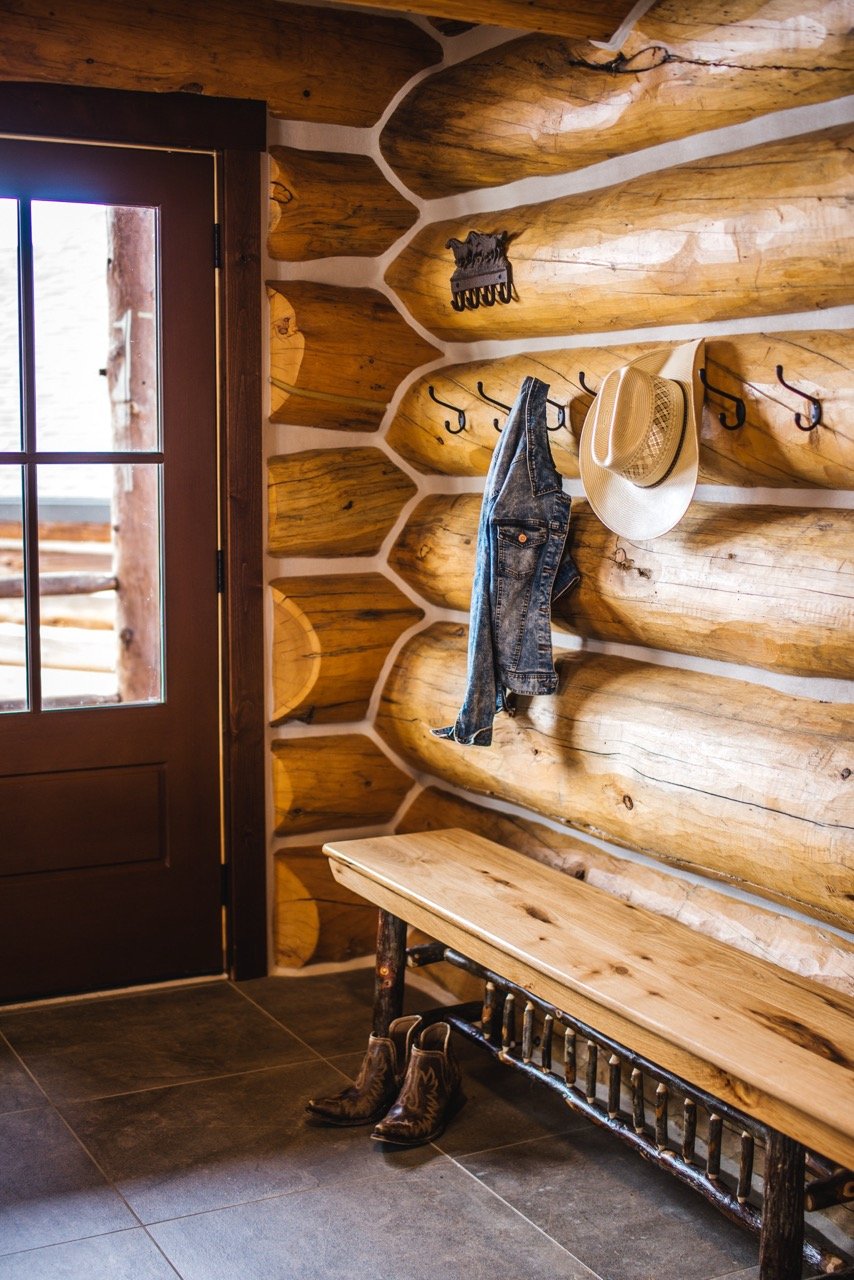
Start at the door you actually use most, not the one the architect drew as "front entry."
If that first step inside your home is a narrow hallway or a half-hearted bench and hook situation, the mud will find its way into every other room. A Montana mudroom has to assume the worst and absorb it: snow, gravel, wet dogs, kids, friends, groceries, gear.
That's where material choices matter more than styling. Floors that can take water and grit. Surfaces that don't flinch at a slammed bag. Closed storage for all the things you don't want to see, and enough hooks and cubbies that nothing needs to live on the floor.
When you walk into a well-designed mudroom, it doesn't feel like a Pinterest-ready corner. It feels like a small, calm workhorse that lets the rest of the house stay peaceful.
That's rustic interior design at its best. Honest about the mess, built to handle it.
Materials That Welcome Wear
Perfection doesn't last long in a Montana second home, and trying to preserve it will make you tired.
The spaces that hold up well are the ones that expect scratches, scuffs, and the occasional spill, and were planned for that from the start. Leather that develops a soft patina. Wood with grain and variation instead of a slick uniform finish. Stone and tile that hide dust instead of advertising every footprint.
In both entries and great rooms, I often pair those forgiving, tactile surfaces with the cleaner lines of mountain modern interior design. The combination keeps the house feeling open and fresh, but you're not holding your breath every time someone forgets to take their boots off. Rustic doesn't mean rough. It means choosing materials that look better after five Montana winters than they did on install day.
Giving the Great Room a Real Job
Most great rooms in second homes are trying to do too much.
They're meant to frame the view, hold conversations, host the game after dinner, maybe face a TV, maybe not. If the furniture feels like it was pushed to the edges to "show the space," it's probably not doing its real job: helping people be together.
When I walk into a great room that isn't working, it usually isn't because the furniture is wrong in isolation. It's because the room doesn't know what it's for.
Is this where you spend stormy afternoons reading? Late nights talking with friends? Watching the game with kids on the floor? All of the above?
Once that's clear, rustic interior design becomes a tool, not a theme. A large rug that can take traffic. Seating arranged so people can see both each other and the view. Solid, comfortable pieces instead of a scattering of delicate accent chairs. Enough small tables and ottomans that drinks, books, and feet always have somewhere to land.
The room starts to feel less like a staged lodge shot and more like the center of the house, not just the biggest room.
Letting Western Decor Be the Final 15%
When the mudroom and great room are working hard at the practical level, western home decor can finally play a supporting role.
The temptation, especially in a second home, is to buy decor first: antlers, art, blankets, small objects that say "West." Without the right base underneath, those pieces end up feeling like props.
With the right bones in place, you suddenly need less:
A few larger art pieces that speak to the landscape or local history
Textiles that pick up the colors you see out the windows
One or two Western objects with real stories behind them
This is where rustic and Western blend naturally. The space feels tied to this place, but you're not being shouted at by your own decor.
Designing for Arrivals, Departures, and Everything Between
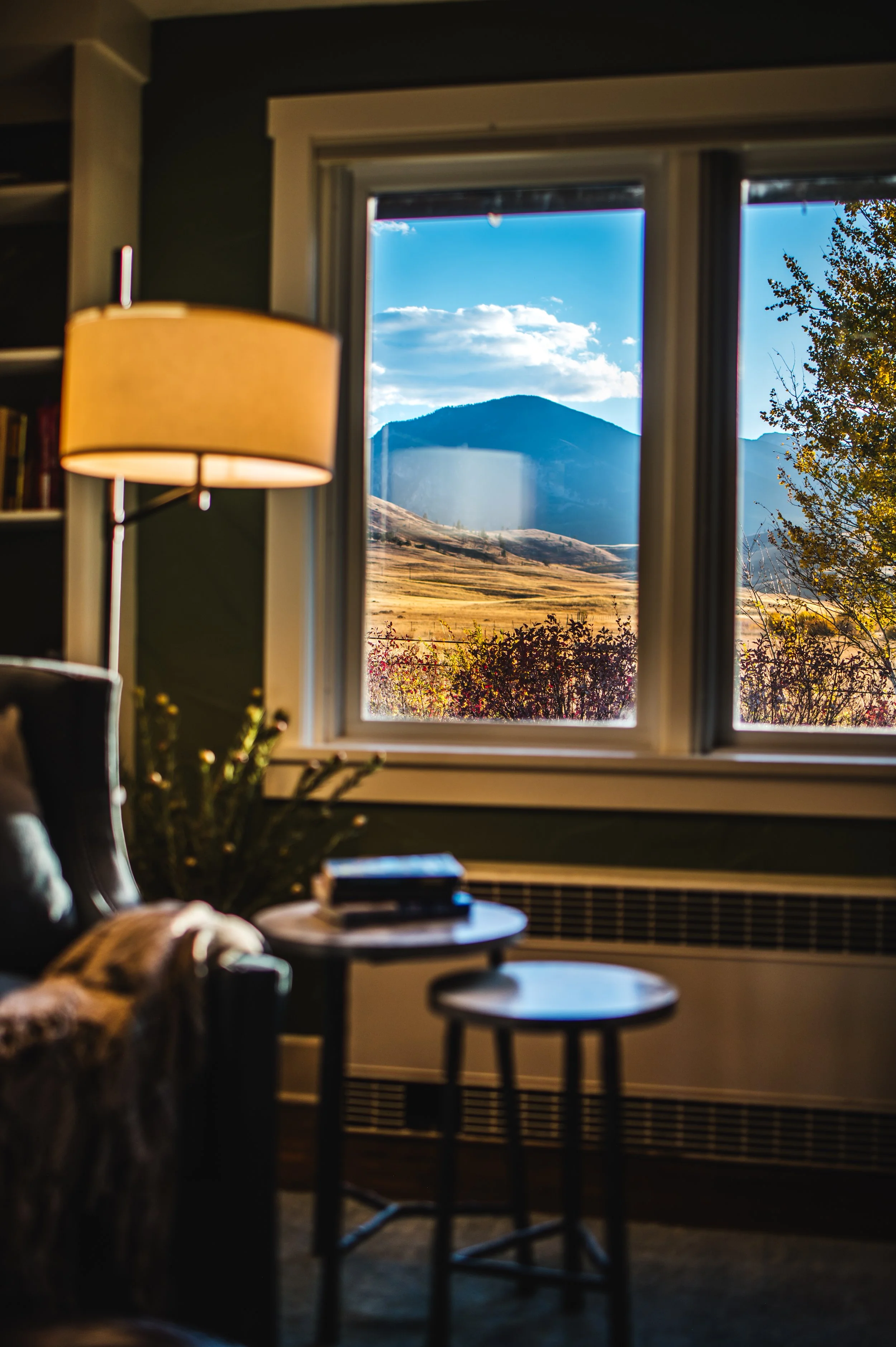
Second homes have a different rhythm than primary residences.
Most of the time, you're not there. When you are, you're often arriving tired, with a car or truck full of people and things. You might hand off the house to guests or caretakers between visits.
Good montana home design for second-homeowners treats all of that as part of the brief:
The first five minutes in the door: where bags, coats, and keys actually go
The way guests understand the house without a tour: what feels obvious and easy
The reset between visits: how simple it is for you, or someone helping you, to put everything back
When those things are designed in, the house feels sturdy. You're not bracing for the next group or the next season. You just arrive, exhale, and live.
That, to me, is the real goal of rustic interior design in these homes: not a look, but a level of ease.
When It's Time to Ask for Help
You can do a lot on your own: add better hooks, swap a too-small rug for a larger one, rearrange seating, choose more forgiving fabrics next time you replace a sofa.
If you've done all of that and your mudroom and great room still feel like the hardest parts of every trip, if they look good on camera but never quite relax in real life, that's usually the moment to bring in outside help. A good interior designer who understands second-home montana home design will start with how you actually arrive, unpack, and spend time here, not just what's trending online.
They'll help you invest in the right pieces once, instead of buying the wrong things three times.
Designers who work every day in this landscape, interior designers Montana families trust with their own retreats, know how to balance weather, wear, and Western character in ways that last.
At Designer Interiors, that's our daily work.
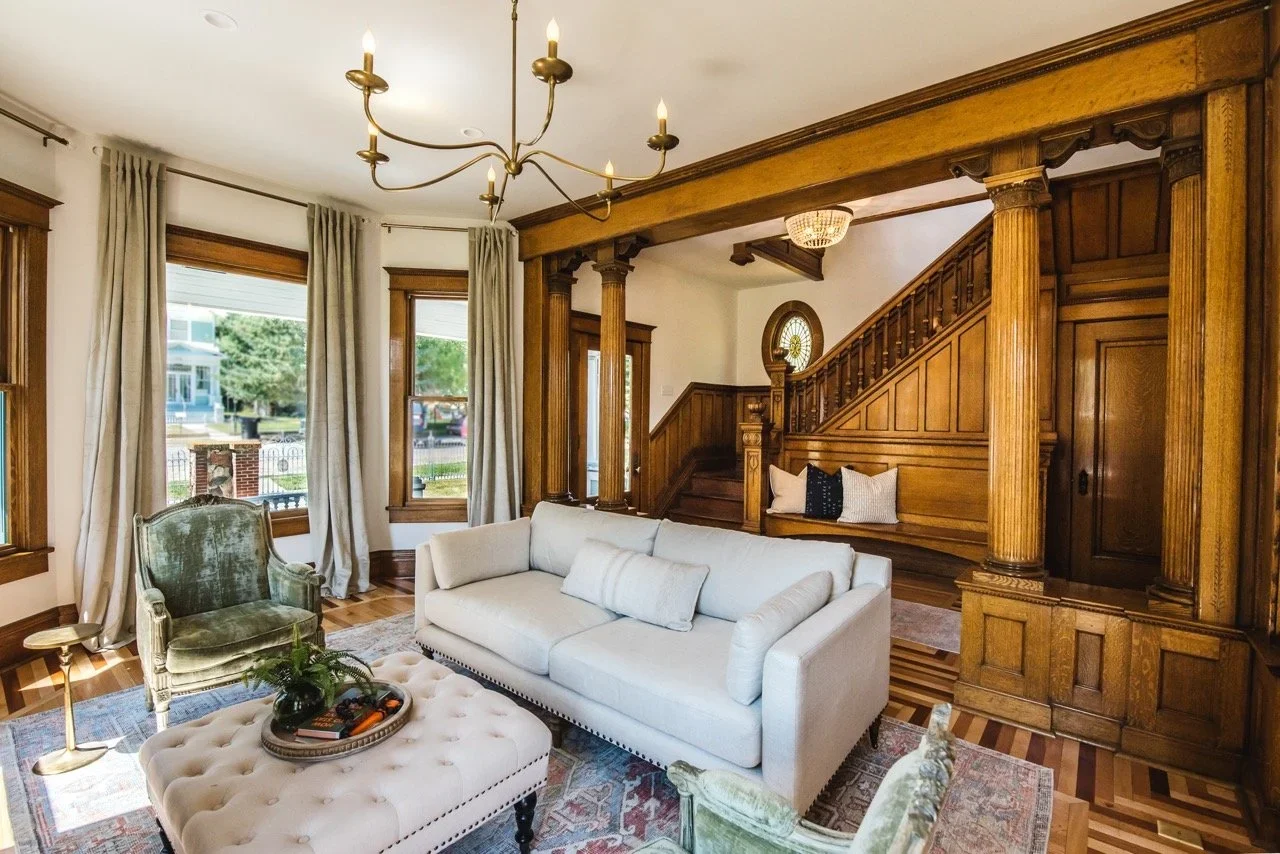
We help second-homeowners turn high-maintenance entries and great rooms into steady, durable spaces for the whole house. Spaces that look like they belong in the mountains and feel ready every time you walk through the door.
Contact Designer Interiors to start your Montana home design journey
